
The Ultimate Guide to Nigerian Male Wedding Guest Attire: Style, Culture, and Tradition
If you’ve been invited to a Nigerian wedding, congratulations! You’re about to experience one of the most vibrant, joyful, and fashionable celebrations on earth. But here’s the thing—what you wear matters. A lot.
In Nigerian culture, your outfit isn’t just about looking good (though that’s definitely part of it). It’s about showing respect, celebrating heritage, and yes, making a statement. Whether you’re a first-timer wondering what to wear to a Nigerian wedding or a seasoned guest looking for fresh style inspiration, this guide has everything you need.
Why Nigerian Wedding Guest Fashion Is Different
Let’s be honest: Western weddings have pretty straightforward dress codes. Black tie? Grab a tuxedo. Cocktail attire? Done. But Nigerian weddings? They’re a whole different ball game.
At a Nigerian wedding, you’re not just attending—you’re participating in a cultural celebration that’s been refined over centuries. Your attire is a public declaration of respect for the couple and their families. Underdressing isn’t just a fashion faux pas; it can actually be seen as disrespectful.
This creates a beautiful opportunity: the chance to embrace stunning traditional wear, connect with your roots (or learn about a new culture), and honestly, look absolutely amazing while doing it.
Looking for what to give the bride? These are some of the best wedding gifts for brides in Nigeria.
Understanding Aso-Ebi: The Family Uniform
Before we dive into specific styles, let’s talk about Aso-Ebi—literally translated as “family clothes.” This is the coordinated fabric that wedding guests wear to show they’re part of a specific social circle or family unit.
When you receive an Aso-Ebi invitation, the couple has selected a specific fabric for their wedding. Everyone in that group wears something made from this material. It’s like being part of an exclusive club, and it creates those stunning photos where everyone is beautifully coordinated.
For diaspora guests, sourcing and tailoring Aso-Ebi can be challenging. That’s where ready-to-wear options that maintain traditional aesthetics while offering modern convenience become invaluable. More on that later.
The Main Traditional Styles
1. The Agbada: The Grand Statement Piece
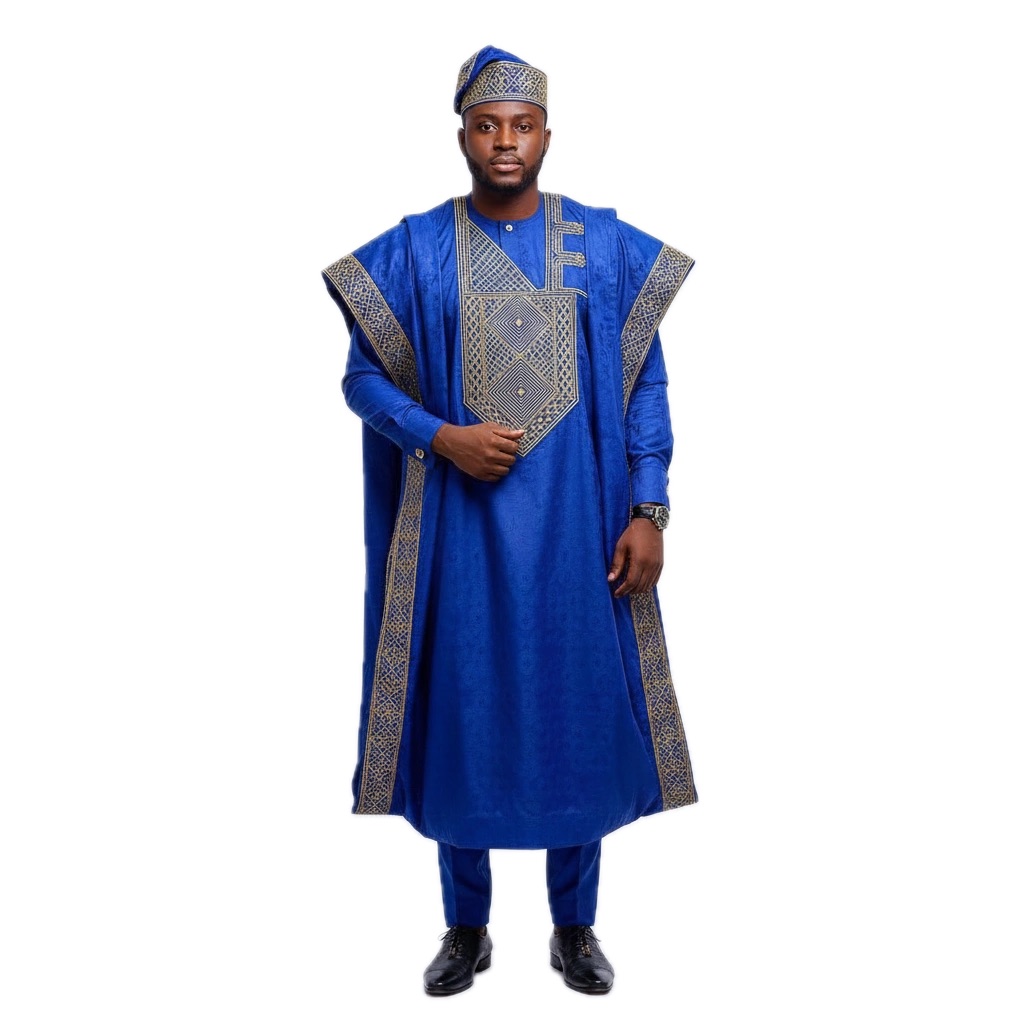
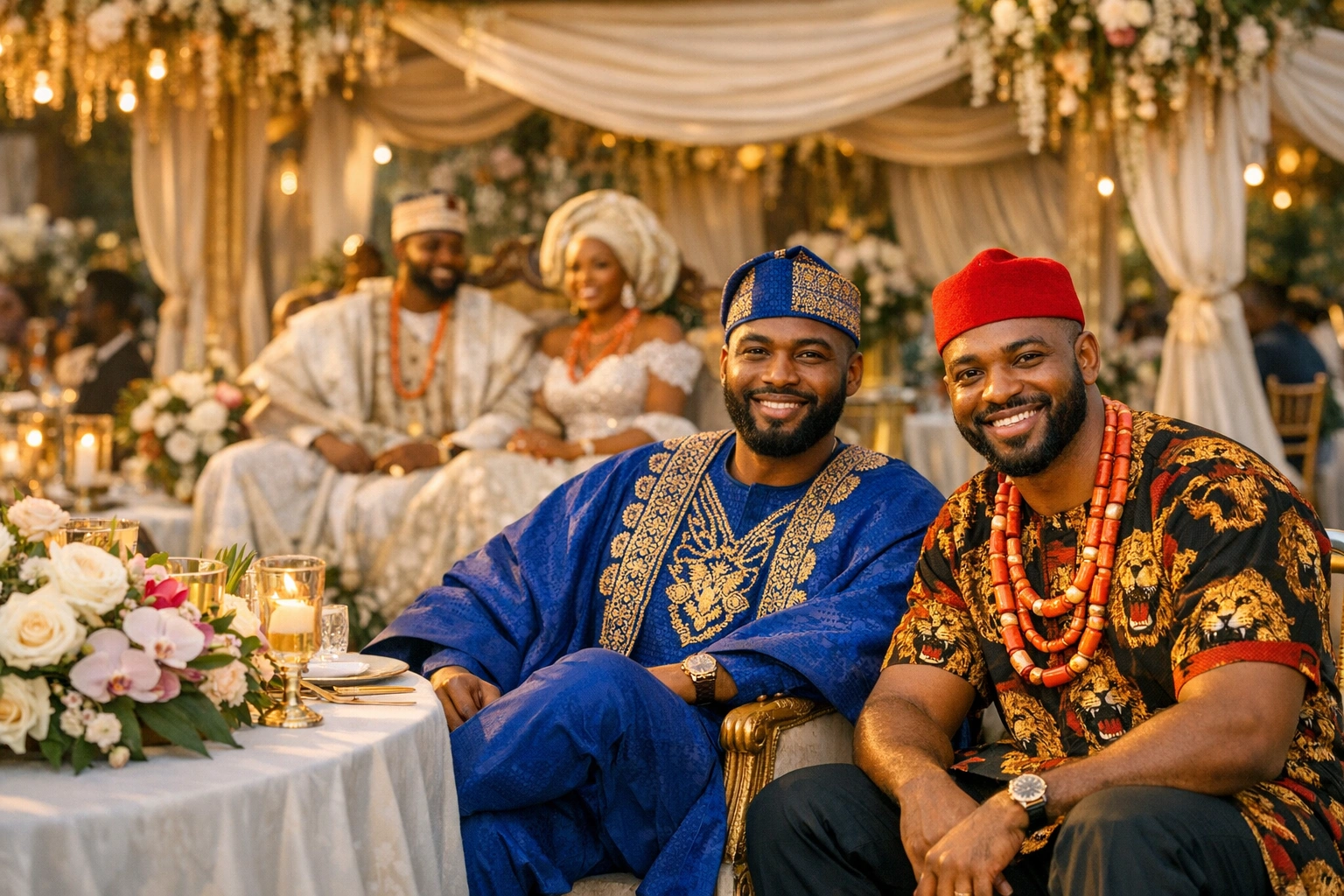
If you want to make a powerful impression, the Agbada is your answer. This Yoruba three-piece ensemble is the definition of masculine elegance.
What it includes:
- Buba (the inner shirt)
- Sokoto (the trousers)
- The flowing outer robe (the star of the show)
The beauty of the Agbada is in its volume and structure. When you walk into a room wearing one, you command attention. For 2026, we’re seeing a huge trend toward metallic Aso-Oke fabrics and high-grade Damask, which create that prestigious “stiff” look that signals authority and success.
Pro tip: Don’t forget the Fila (cap)!
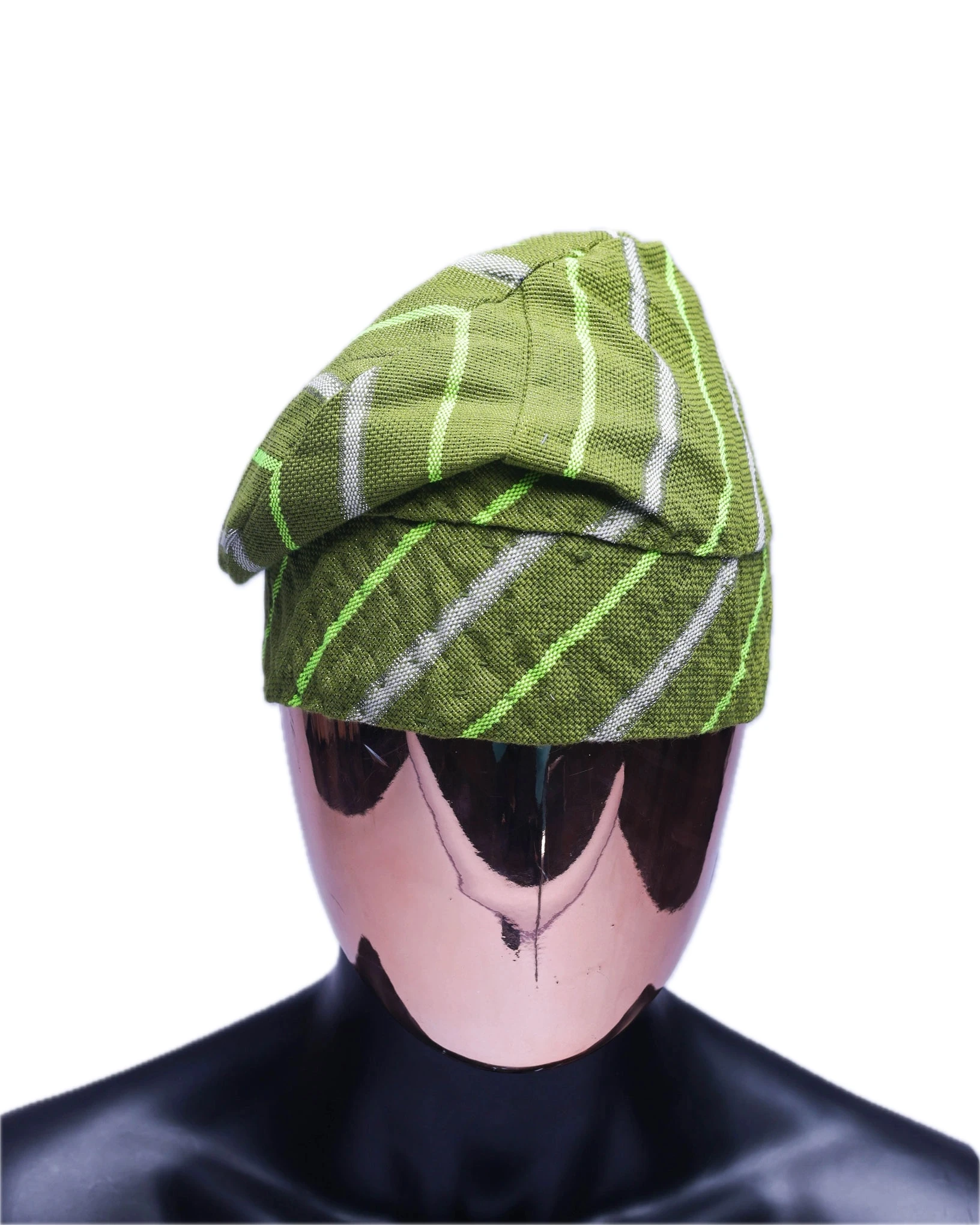
The way you tilt your Fila—left, right, or center—can actually indicate your marital status or mood. It’s a subtle detail that insiders notice.
Best for: Traditional Yoruba ceremonies, high-profile weddings, when you want to go all out
Fabric recommendations: Metallic Aso-Oke, Damask, premium George
2. The Isi Agu: The Lion’s Pride
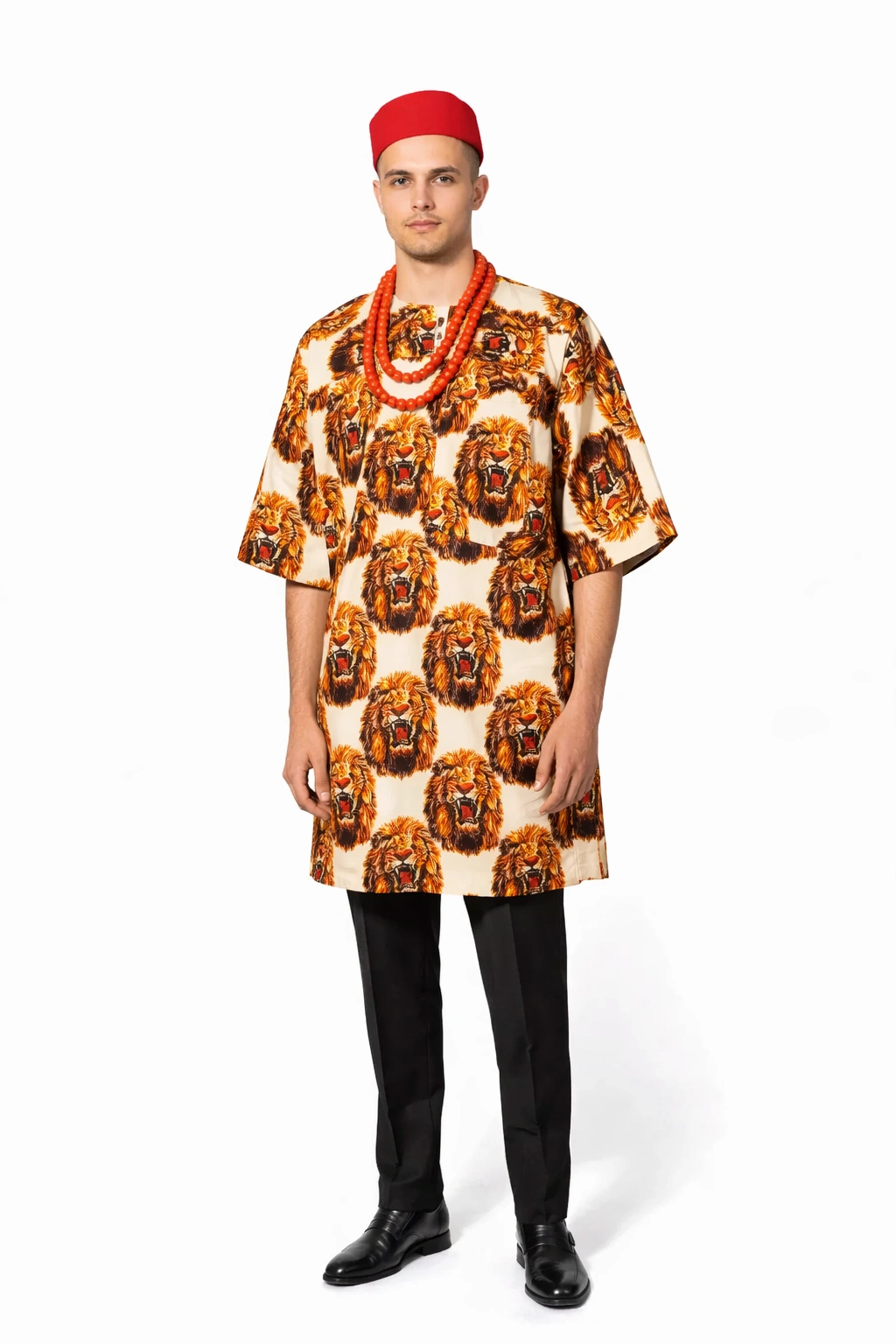
For Igbo weddings, particularly the Igba Nkwu (wine carrying ceremony), the Isi Agu is the traditional go-to. The name literally means “Lion’s Head,” and the fabric features bold lion head prints on velvet or suede.
This isn’t your grandfather’s Isi Agu anymore. Modern tailors are creating incredible short-sleeved tunics and even fitted blazers from this traditional fabric, giving it a contemporary edge while honoring heritage.
Complete the look: Pair with a red or black Okpu Agu (cap) and coral beads for that authentic royal aesthetic.
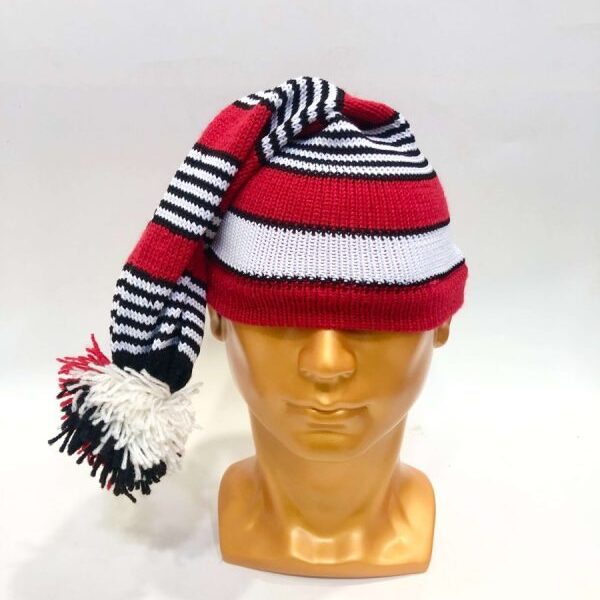
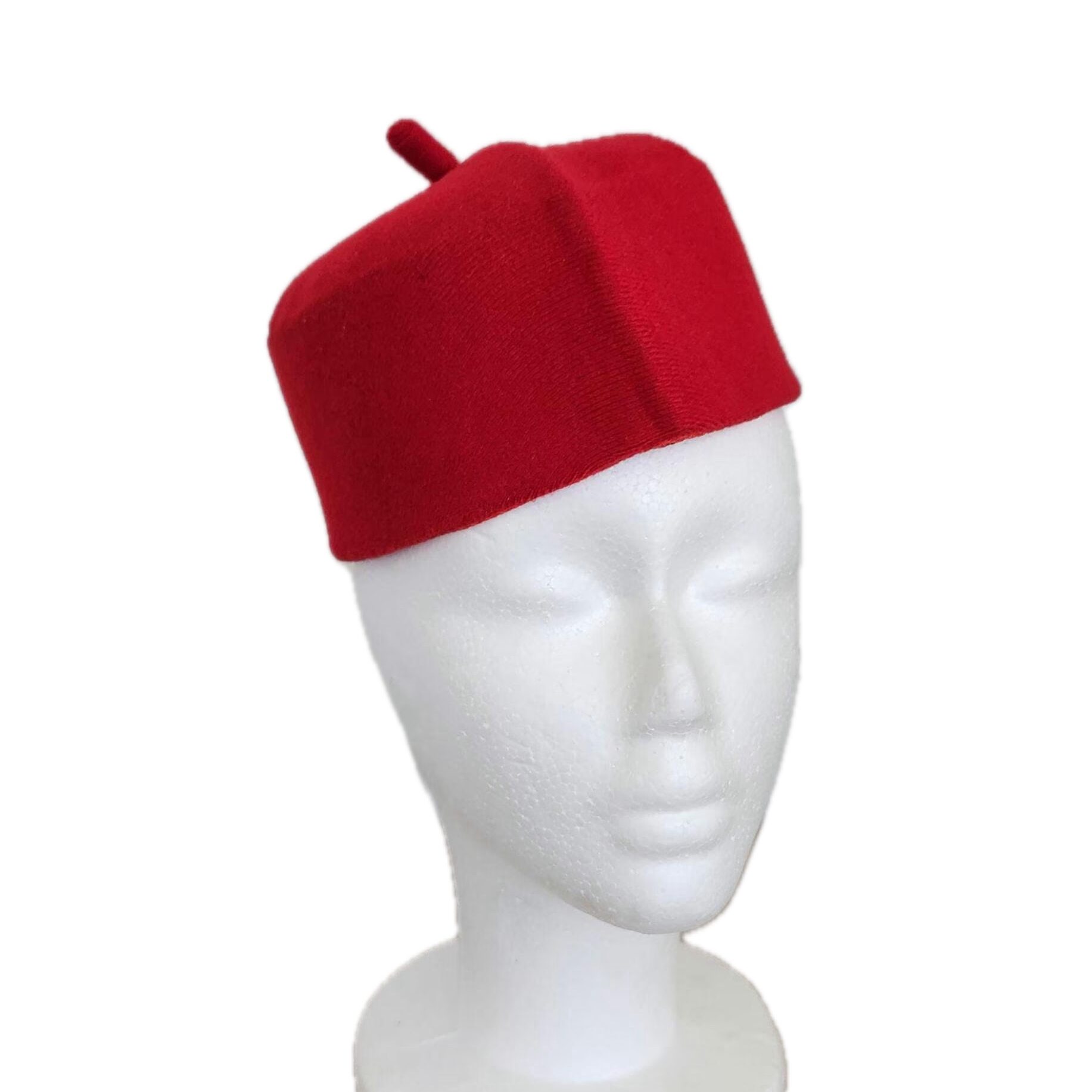
Best for: Igbo traditional weddings, South-Eastern ceremonies, when you want to honor Igbo heritage
Keywords to search: Modern Isi Agu styles for groomsmen, Igbo traditional wedding guest attire, lion head fabric tunics
3. The Baban Riga: Northern Elegance
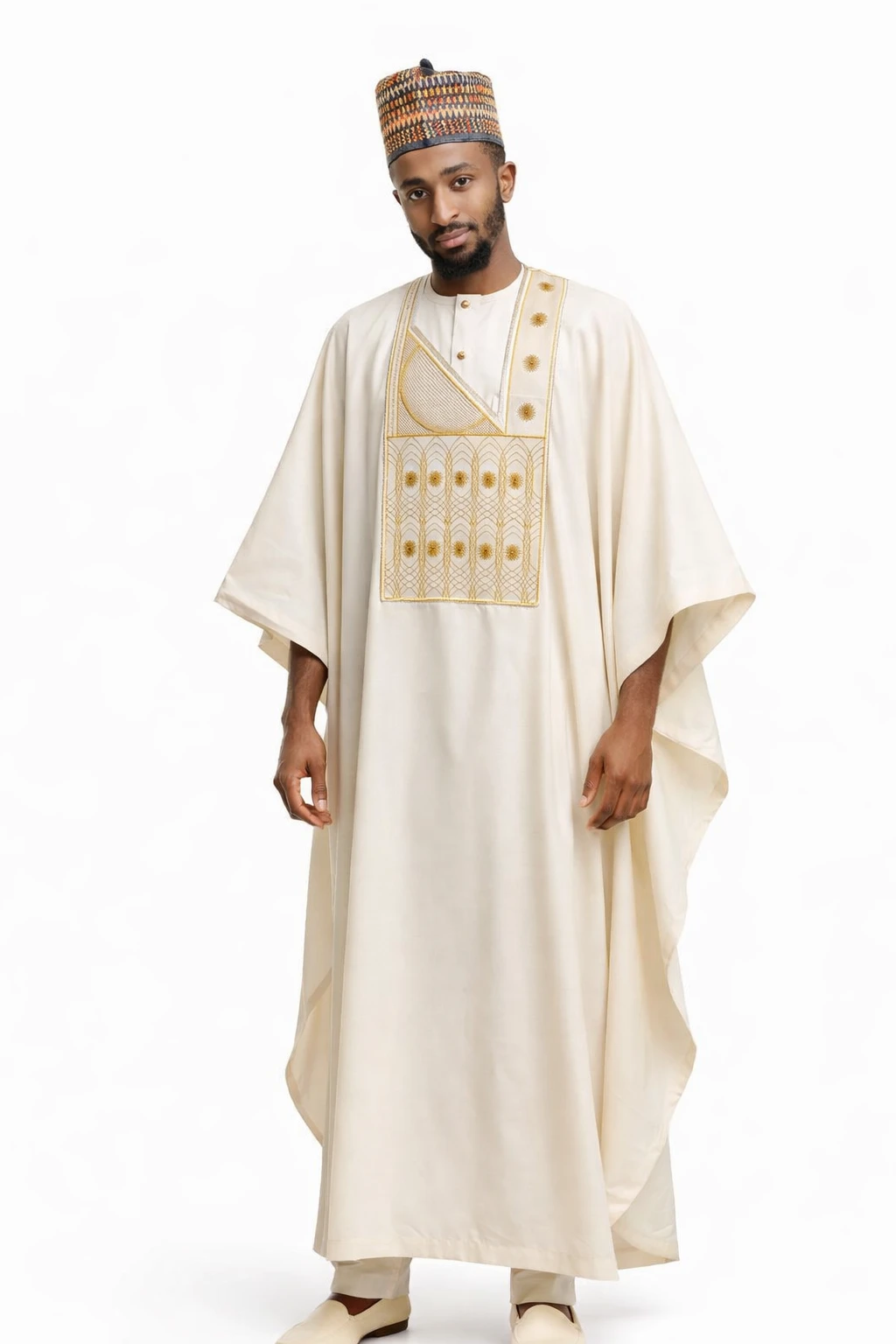
Hausa-Fulani weddings are all about refined beauty and Islamic modesty. The Baban Riga is similar to the Agbada but typically more streamlined with geometric embroidery that’s absolutely stunning.
The color palette is different too—think soft pastels like ivory, sky blue, or mint green. These lighter tones create a sophisticated, calming aesthetic that’s perfect for the elegance of Northern ceremonies.
Essential accessory: The Hula cap, meticulously embroidered to match your main garment. The coordination is everything.
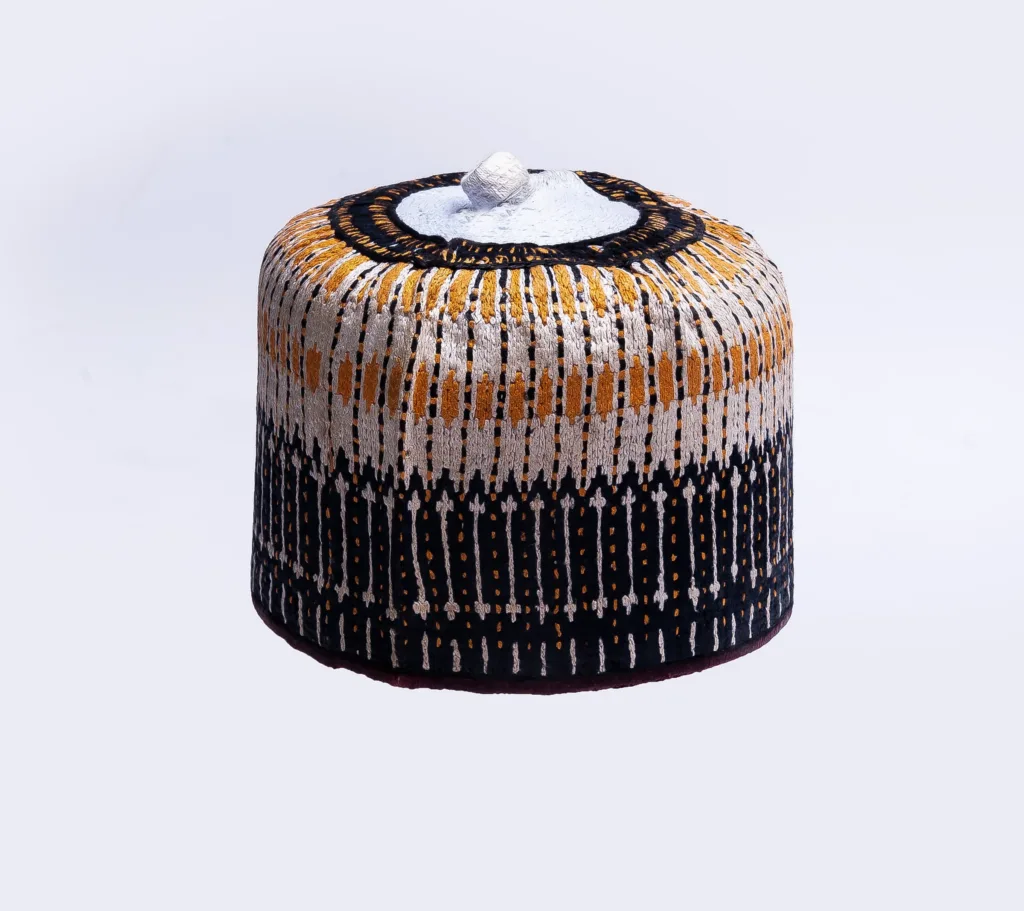
Best for: Hausa-Fulani weddings, Northern Nigeria ceremonies, guests who prefer understated elegance
4. The Senator Suit: Modern Sophistication
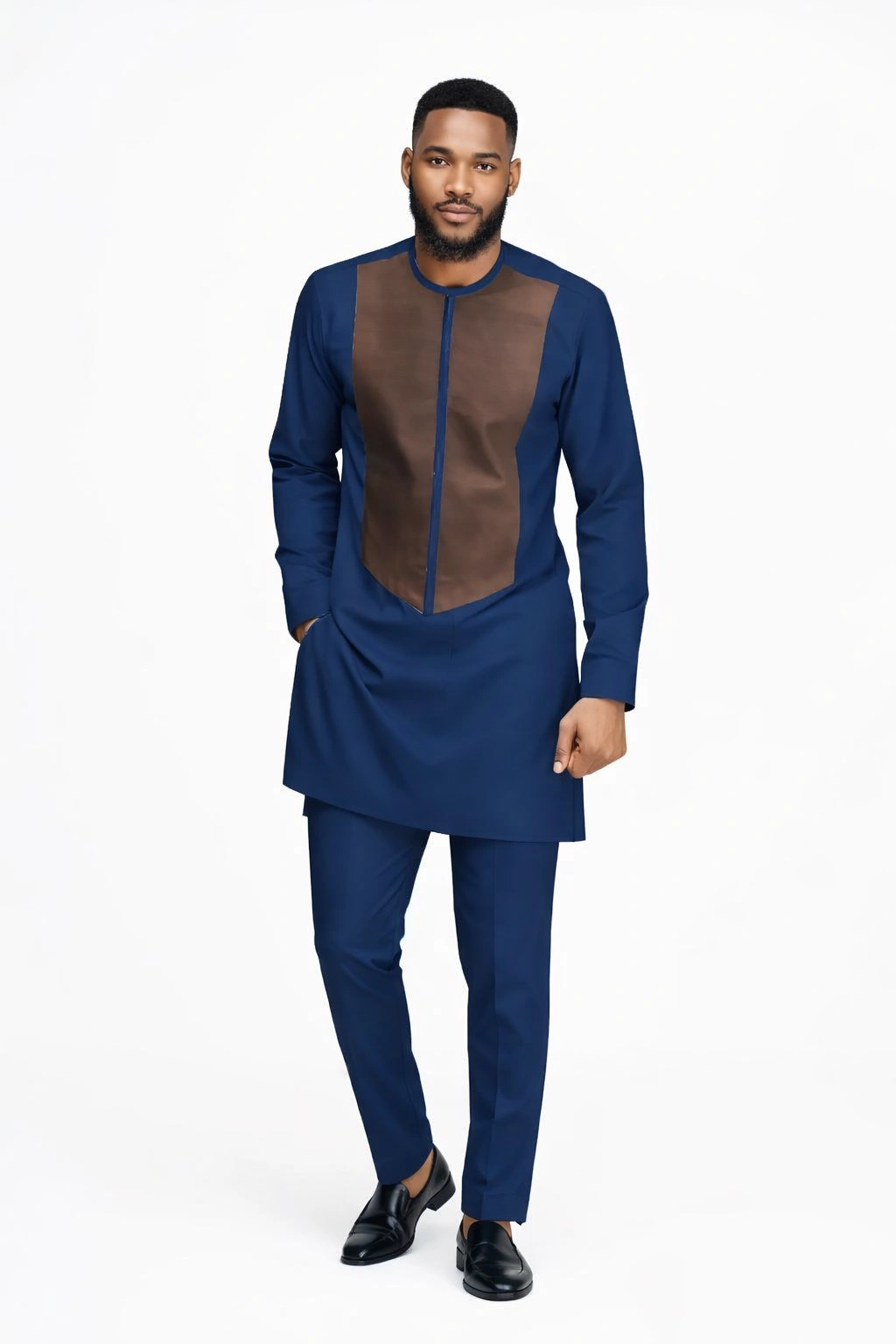
Here’s where tradition meets contemporary style. The Senator suit has become the most versatile piece in Nigerian menswear over the last decade. Originally popularized by politicians (hence the name), it’s now a cross-tribal favorite. You can find more elegant styles on Pinterest or this blog on Zikoko.
What makes it special:
- Long-line tunic that’s tailored to perfection
- Slim-fit or tapered trousers
- Works for both traditional ceremonies and receptions
- Ideal for younger guests who want a more European-style silhouette
Currently, “Steeze” (style + ease) is the vibe. Look for the Jokonso style—a more relaxed, comfortable cut made from premium fabrics like silk, linen, or high-thread-count cotton. These often feature asymmetric hems, hidden zippers, and metallic embroidery that adds just the right touch of luxury.
Best for: Reception ceremonies, younger guests, cross-tribal weddings, when you want versatility
Fabric recommendations: Atiku cotton (breathable and holds embroidery beautifully), premium linen, silk blends
5. The Dashiki/Kaftan: Accessible Elegance
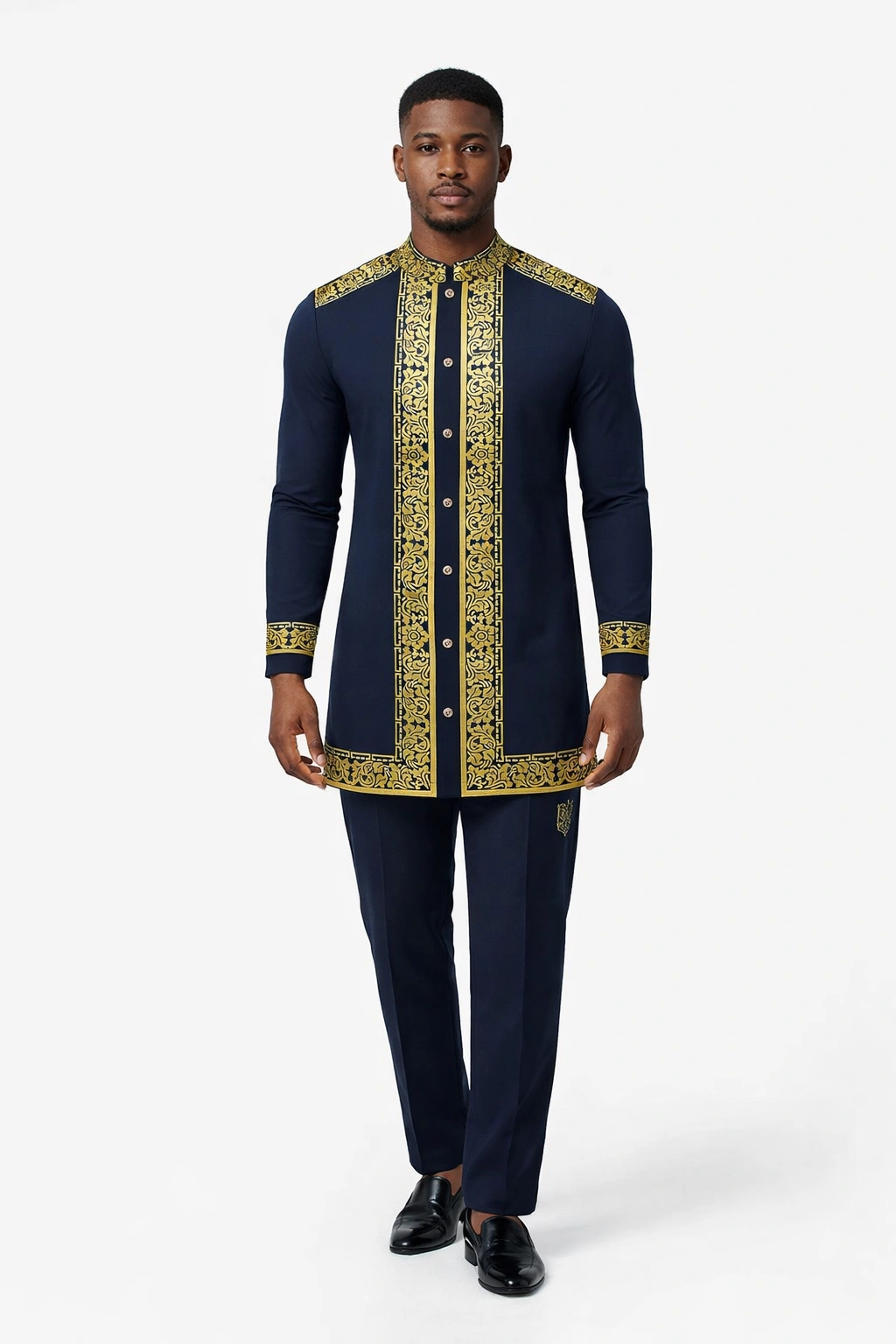
If you’re new to traditional wear or want something comfortable and accessible, a Dashiki or Kaftan set is your best friend. These loose-fitting embroidered shirts paired with matching trousers are quintessentially West African.
The beauty of the Dashiki is that it’s forgiving in sizing, comfortable in warm weather, and still shows you made an effort. Plus, they’re available at various price points, making them perfect for guests on different budgets.
Best for: First-time guests, hot weather ceremonies, budget-conscious attendees who still want to look great
Choosing the Right Fabric: More Than Just Aesthetics
The fabric you choose says as much as the style you wear. Here’s your quick reference guide:
1. Atiku Cotton
Best for: Senator suits, Kaftans
Why it works: Breathable, crisp finish, holds embroidery well
Perfect for: The practical modern guest who needs to move and dance
2. Aso-Oke
Best for: Agbada, Fila caps
Why it works: Heavyweight, durable, carries serious cultural prestige
Perfect for: Elders, immediate family, traditionalists, high-profile events
3. George/Damask
Best for: Agbada (especially Yoruba)
Why it works: Shiny, opulent, creates voluminous drape
Perfect for: High-net-worth guests, when you want maximum visual impact
4. Ankara Print
Best for: Casual traditional styles, groomsmen favors, custom gifts
Why it works: Vibrant, versatile, affordable, endless design options
Perfect for: Everyone! Seriously, Ankara is having a major moment
5. Velvet/Suede
Best for: Isi Agu, ceremonial pieces
Why it works: Rich texture, premium feel, perfect for lion head prints
Perfect for: Igbo ceremonies, cooler weather events
Wedding Guest Etiquette: The Unwritten Rules
Nigerian wedding etiquette can be tricky if you’re not familiar with it. Here are the essential dos and don’ts:
1. The Color Question
White: Primarily reserved for the bride, though men can wear white Senator suits. Just don’t wear an all-white Agbada that rivals the groom’s outfit unless you’re part of his immediate groomsmen circle.
Black: Traditionally associated with mourning in some regions. You can wear it if it’s styled as “Regal Black” with vibrant gold or silver embroidery. All-black without embellishment? Skip it.
The Aso-Ebi colors: Stick to them! This is non-negotiable if you’ve been given the family fabric.
2. What Never to Wear
Jeans: Absolutely not. Ever. This is considered deeply disrespectful to the sanctity of the union.
Casual wear: T-shirts, sneakers, shorts—these have no place at a Nigerian wedding, even if it’s an outdoor daytime event.
Sacred regalia: Don’t wear crowns, titled beads, or ceremonial items unless you actually hold that specific rank or title.
3. The Physical Realities
The Prostration Factor: In Yoruba ceremonies, the groom and his friends often prostrate (lie flat on the ground) as a sign of respect to the bride’s family. If you might be participating in this, choose flexible fabrics like Atiku cotton instead of super-stiff expensive materials.
Dancing: You will dance. A lot. Make sure your outfit allows for movement. A too-tight Senator suit will have you sitting out the best parts.
The Weather: Nigerian weddings often run long (we’re talking 6+ hours). Choose breathable fabrics if it’s a daytime outdoor event.
4. Cultural Customs to Embrace
Money Spraying: You’ll see guests “spray” money on the couple—throwing or placing cash on them while they dance. This is encouraged and shows your well-wishes for their prosperity. Just never pick money up from the floor to “re-spray” it. That’s a major taboo.
The Fila Rule: Your cap must complement your main garment. A mismatched Fila is like wearing brown shoes with a black suit—people will notice.
Shopping for Nigerian Wedding Attire: Local vs. Diaspora
Your shopping strategy depends on where you are.
For Local Residents (Nigeria)
Advantages: Access to fabric markets, personal tailors, same-day alterations
What to look for:
- Exclusive, curated designs that save you market stress
- Bespoke tailoring services
- Next-day delivery options
- Designs endorsed by influencers on BellaNaija or verified style pages
Search terms: “Luxury Agbada Lagos,” “Bespoke Senator suit Abuja,” “Nigerian wedding tailors near me”
For Diaspora Guests (UK, USA, Canada)
Challenges: Shipping times, sizing accuracy, lack of tailoring access
What to look for:
- Ready-to-wear options with detailed sizing guides
- Stores that compare Senator suit measurements to standard UK/US suit sizes (e.g., “Size 42 Long”)
- Fast international shipping
- Clear return policies
- Cultural authenticity with modern convenience
Search terms: “Ready-to-wear African clothes for men UK,” “Nigerian wedding attire USA shipping,” “Aso-Oke delivery Canada,” “African wedding guest outfit online”
Pro tip for diaspora shoppers: Look for sizing guides that translate measurements. A Nigerian “Size L” might not match what you’re used to. When in doubt, provide your exact measurements.
Beyond the Outfit: The Complete Guest Package
Your attire is just the beginning. Here’s what else you might need:
Essential Accessories
Fila/Cap: Match it to your outfit. This is non-negotiable for most traditional styles.
Coral Beads: Perfect for Igbo ceremonies, adds authentic cultural detail
Pocket Square: Especially for Senator suits, adds that polished touch
Traditional Shoes: Leather slippers or formal shoes (no sneakers!)
Walking Stick: For elders or traditional title holders
Groomsmen Packages
If you’re part of the groom’s squad, consider coordinated packages:
- Matching Fila caps with custom embroidery
- Branded t-shirts for pre-wedding events (“Team [Groom’s Name] 2026”)
- Coordinated pocket squares and coral beads
- Custom gift bundles that create visual unity in photos
Gift Ideas for the Couple
Nigerian wedding culture includes a strong gifting economy. Consider:
1. Handmade Bags: Ankara or Adire fabric shopping bags or laptop sleeves—practical and cultural
2. Custom Corporate Gifts: Personalized leather journals, branded pens, handcrafted wooden coasters with the couple’s monogram
3. Artisanal Items: Carved bottle openers, beaded keychains, traditional artwork
4. Fabric: Yes, giving the couple quality fabric for future outfits is a traditional and appreciated gift
Here are some of the top unique wedding gift ideas for a bride.
Making Your Purchase: What to Consider
Before you buy, ask yourself:
1. What type of ceremony am I attending?
- Traditional ceremony → Go traditional (Agbada, Isi Agu, Baban Riga)
- Reception → Senator suit works perfectly
- Both → Consider two outfits or a versatile Senator suit
2. What’s my budget?
- Entry level: Dashiki/Kaftan ($50-150)
- Mid-range: Ready-to-wear Senator suit ($150-400)
- Premium: Custom Agbada with high-end fabric ($400-1000+)
3. What’s my comfort level with traditional wear?
- First-timer → Start with a Senator suit or Dashiki
- Confident → Go for the full Agbada experience
- Cultural insider → Mix traditional and contemporary
4. How much time do I have?
- Less than 2 weeks → Ready-to-wear is your friend
- 1-2 months → Custom tailoring is possible
- 3+ months → Explore all options, including custom Aso-Oke
5. Will I wear this again?
- One-time event → Consider rental or budget options
- Regular attendee → Invest in quality pieces you can style differently
- Building a wardrobe → Start with versatile Senator suits and classic Fila caps
The Cultural Connection: Why It Matters
Here’s something important: when you wear traditional Nigerian attire to a wedding, you’re not just dressing up. You’re participating in a cultural dialogue that’s centuries old. You’re honoring the couple’s heritage, connecting with a community, and keeping traditions alive.
For diaspora guests especially, these moments of cultural expression are precious. They’re opportunities to connect with roots, teach the next generation, and feel part of something bigger than yourself.
For first-time guests from other cultures, wearing traditional attire shows respect and openness. It’s appreciated and noticed. You’re not appropriating; you’re participating in a celebration you’ve been invited to join.
Final Tips for Looking Your Best
1. Tailor, tailor, tailor: Even ready-to-wear pieces benefit from minor alterations. A well-fitted outfit always looks more expensive.
2. Break it in: Don’t wear brand new shoes to the wedding. Break them in beforehand.
3. Check the weather: Nigeria can be hot. If it’s an outdoor daytime event, choose breathable fabrics.
4. Bring a handkerchief: You’ll be dancing, hugging, and celebrating. A pocket handkerchief is practical and stylish.
5. Confidence is your best accessory: Nigerian weddings are joyful, celebratory spaces. Wear your outfit with pride.
6. Follow the dress code: If the invitation specifies colors or styles, follow them. This isn’t the place for creative interpretation.
7. Plan for the full day: Weddings can run 6-8 hours. Make sure you can move, sit, dance, and stay comfortable.
Where to Shop: Your Action Plan
For Traditional Fabrics:
- Search: “Aso-Oke fabric online,” “Nigerian George wrapper,” “Atiku cotton wholesale”
- Consider: Quality, authenticity, color fastness
For Ready-to-Wear:
- Search: “Nigerian Senator suit ready-made,” “Agbada for sale UK/USA,” “African wedding attire men”
- Check: Sizing guides, return policies, shipping times, customer reviews
For Custom Tailoring:
Search: “Nigerian tailor and include your current city name, “African clothing alteration services, custom Agbada maker. You’ll provide exact measurements, reference photos, and timeline expectations.
For Accessories:
- Nigerian Fila cap, coral beads for men, African wedding shoes, etc, reach out to us.
For Gifts & Favors:
Ankara custom gifts, Nigerian wedding souvenirs, handmade African gifts and more,
- Consider: Cultural significance, personalization options, bulk pricing for groomsmen gifts
Your Next Steps
Ready to get started? Here’s your action plan:
Week 6+ Before the Wedding:
- Confirm the dress code and Aso-Ebi details with the couple
- Research styles and decide on your outfit type
- Order fabric or ready-to-wear pieces
- Schedule tailoring appointments if needed
Week 3-4:
- Have first fittings
- Order accessories
- Break in new shoes
- Confirm shipping/delivery dates
Week 1-2:
- Final fitting and adjustments
- Prepare your grooming (haircut, etc.)
- Purchase or prepare gifts
- Plan your transportation and timing
Day Before:
- Iron or steam your outfit
- Prep accessories
- Confirm the venue and schedule
Conclusion: Dress the Part, Play the Part
Nigerian weddings are spectacular celebrations of love, culture, and community. Your attire is your ticket to full participation in this beautiful experience. Whether you choose the grand drama of an Agbada, the cultural pride of an Isi Agu, or the modern sophistication of a Senator suit, wear it with confidence and joy.
Remember: the best outfit is one that makes you feel connected, comfortable, and confident. When you look good, you feel good. And when you feel good, you contribute to the infectious joy that makes Nigerian weddings unforgettable.
Now go forth and dress magnificently. Those dance floor moments aren’t going to create themselves!
Planning a Nigerian wedding? Check out our custom/personalized souvenirs, and handmade gifts that honor tradition while embracing modern convenience.