
No products in the cart.
Return To Shop

Hausa Traditional Marriage: Complete Guide to the Customs, Steps, Items, and Wedding Planning
Planning a Hausa wedding or trying to understand traditional marriage in Hausa culture? Hausa marriage ceremonies are deeply influenced by Islam, family values, modesty, hospitality, and community traditions. Although the process is often described as simpler in terms of physical gift requirements than some other Nigerian traditional weddings, it can still involve several stages, ceremonies, gifts, and celebrations.
This guide explains what are the traditional marriage practices in Hausa culture, how do the Hausa tribes marry, the main Steps in Hausa marriage, traditional marriage items and their uses, regional variations, and practical dos and don’ts for Hausa traditional marriage planning.
Whether you are a bride, groom, family member, wedding guest, event planner, or someone marrying into a Hausa family, this article will help you understand the process.
Note: There is no single fixed Hausa traditional marriage list followed by every family. The stages and common categories of gifts are widely documented, but the exact items, quantities, costs, and ceremonies vary by family, location, religious practice, and financial circumstances.
Quick note before we dive in: If you’re the one planning the wedding, you’ll also need souvenirs and gift items for your guests once the ceremony is done. African Things designs and supplies custom, personalized wedding and event souvenirs in bulk — affordable, high-quality, and functional pieces your guests will actually use. We work with couples, event planners, schools, and NGOs across Nigeria.
Scroll to the “Souvenir Ideas” at the end of this page, or talk to us to get a bulk quote started.
Chat with Us on WhatsAppWhat Is Traditional Marriage in Hausa Culture?
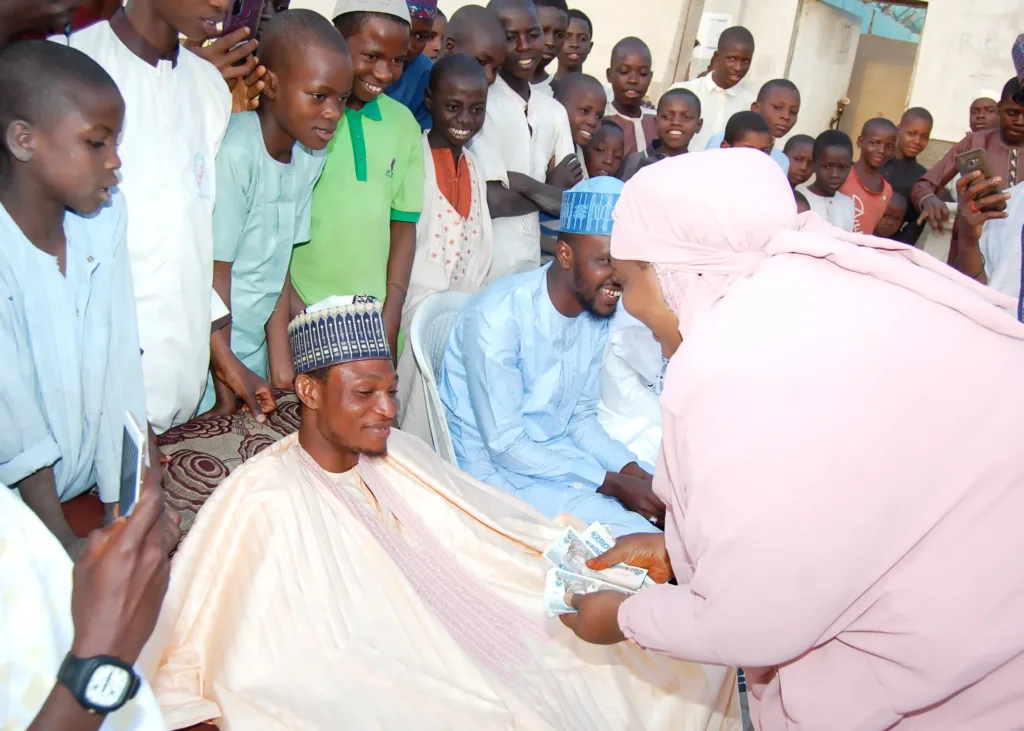
Traditional marriage in Hausa culture is generally rooted in Islamic marriage rites and the customs of Hausa-speaking communities across Northern Nigeria. Hausa weddings are common in states such as Kano, Katsina, Sokoto, Kaduna, Zamfara, Bauchi, and parts of Jigawa and other northern areas.
The marriage process places strong importance on:
- Family involvement
- Respect for parents and elders
- Islamic marriage requirements
- Modesty
- A manageable or symbolic bride price
- Gifts for the bride
- Hospitality toward guests
- Advice and support for the newly married couple
- Community participation
Unlike some traditional marriage ceremonies that focus heavily on a long list of negotiated physical items, Hausa marriage customs are often described as placing greater emphasis on the religious marriage contract, family approval, and the groom’s responsibility toward the bride.
However, this does not mean every Hausa wedding is small or inexpensive. Some celebrations, especially in major cities and affluent families, may include elaborate clothing, jewelry, decorated gift displays, large receptions, and several days of activities.
Want to also learn about the traditional marriage culture of other major tribes in Nigeria? We have a comprehensive blog about the Igbo and Yoruba traditional marriages.
What Are the Traditional Marriage Practices in Hausa Culture?
The answer to what are the traditional marriage practices in Hausa culture involves a combination of family introductions, approval, gift presentation, dowry payment, religious solemnization, bridal preparation, and wedding celebrations.
Common practices include:
- The groom and his family formally expressing interest in the bride.
- The bride’s family considering and approving the proposal.
- The families discussing the marriage arrangements.
- The presentation of Kayan Zance, or engagement gifts.
- The agreement and payment of Sadaki, the Islamic bride price or dowry.
- Setting the wedding date.
- A henna ceremony known as Sa Lalle.
- The presentation of Kayan Lefe, the larger set of gifts for the bride.
- The Islamic marriage ceremony, commonly called Fatiha.
- Bridal gatherings, advice, and farewell ceremonies.
- Escorting the bride to her husband’s home.
- A reception or feast known as Walima or Walimah.
The order and naming of some activities can vary between communities.
How Do the Hausa Tribes Marry?
The question of how do the Hausa tribes marry can be answered by looking at the major stages of the marriage process.
Hausa marriage is usually family-oriented. The groom’s family approaches the bride’s family, and the marriage proceeds after approval and agreement on the necessary arrangements. The marriage contract is then conducted according to Islamic requirements, with the Imam and family representatives playing important roles.
The process is not necessarily completed in one day. Depending on the family and location, it may take several days or even weeks, especially when henna ceremonies, bridal preparation, gift presentations, and receptions are included.
Steps in Hausa Marriage
1. Na Gani Ina So: Expressing Marriage Interest
The first stage is commonly known as Na Gani Ina So, which can be translated as “I have found her and I love her.”
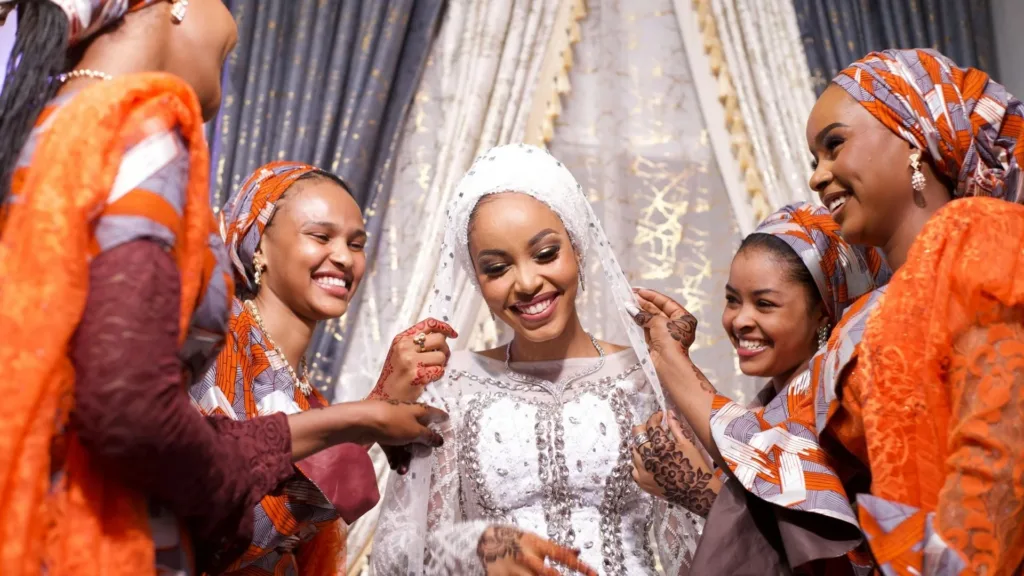
At this stage, the man and members of his family visit the woman’s family to formally express his intention to marry her.
The purpose is to:
- Introduce the groom and his family
- Express serious marriage intentions
- Seek the family’s consideration
- Establish communication between both families
- Begin the process respectfully
Common items presented
The opening gifts are usually light and symbolic. They may include:
- Kola nuts
- Bags of salt
- Sweets
- Chocolate
- Small gifts for the family
These items represent goodwill, respect, and the seriousness of the visit. They are generally less elaborate than the gifts presented during later stages.
2. Gaisuwa: Formal Family Approval
Gaisuwa is the stage where the bride’s family gives formal approval for the marriage discussions to continue.
The family may ask questions about:
- The groom’s background
- His family
- His character
- His religious commitment
- His ability to provide for a household
- His intentions toward the bride
This stage may also involve discussions about the wedding process, family expectations, and the bride price.
Unlike some other stages, Gaisuwa does not necessarily involve a specific physical gift list. It is primarily a formal and verbal step.
3. Kayan Zance: Engagement Gifts
Kayan Zance, sometimes written as Kanya Zance, refers to gifts presented to the bride during the engagement stage.
The gifts are commonly arranged and displayed for the bride’s female relatives, friends, and visitors to inspect and admire.
Common Kayan Zance items
The exact list varies, but may include:
- Fabrics
- Wrappers
- Lace materials
- Scarves
- Veils
- Perfumes
- Cosmetics
- Soaps
- Creams
- Underwear
- Shoes
- Handbags
- Jewelry
- Dates
- Sugar
- Fruits
- Other food items
- Money
The purpose of Kayan Zance is not simply to display wealth. It is commonly understood as a way for the groom’s family to honor the bride and show appreciation for her.
The gifts may also demonstrate that the groom is preparing for marriage and understands the responsibility involved in caring for his wife.
4. Sadaki: Bride Price or Dowry
Sadaki is the agreed bride price or dowry paid as part of the Islamic marriage process.
Hausa marriage customs generally emphasize keeping Sadaki modest and manageable. The payment is intended to represent honor and commitment rather than place an unreasonable financial burden on the groom.
Sadaki may be paid in:
- Cash
- Gold
- Another agreed valuable item
- Installments, where accepted by the family and religious requirements
The amount is agreed upon by the relevant parties and may differ significantly between families.
Is Sadaki the same in every Hausa wedding?
No. There is no universal amount that applies to every Hausa family. Some families may prefer a very modest amount, while others may agree on a higher amount based on their circumstances.
The important point is that the agreed Sadaki should be clearly understood and handled according to the applicable Islamic and family requirements.
5. Sarana: Setting the Wedding Date
Sarana is the stage where both families agree on and fix the wedding date.
During this stage, the families may discuss:
- The date of the Fatiha
- The reception date
- The henna ceremony
- The presentation of Lefe gifts
- Guest arrangements
- Accommodation
- Transportation
- Food and drinks
- Clothing
- Family responsibilities
Depending on the family, this may be a simple meeting or part of a larger series of wedding preparations.
6. Sa Lalle: Henna Ceremony
Sa Lalle is the henna stage of the Hausa wedding process.
The bride, her female relatives, and her friends may gather for henna application on the hands and feet. The event is often held in a private or women-only setting.
Items used during Sa Lalle
Common items include:
- Henna powder or prepared henna
- Henna cones or applicators
- Perfume
- Beauty products
- Scarves
- Special clothing
- Items used for bathing or body care
In some communities, Sa Lalle may be associated with Turgeza, also known as Gyaran Jiki. This is a traditional body-care or exfoliation practice performed by older women as part of the bride’s preparation.
Henna is associated with:
- Beauty
- Celebration
- Femininity
- Cultural identity
- A new stage of life
- Good wishes for the marriage
7. Kayan Lefe: The Main Bridal Gift Presentation
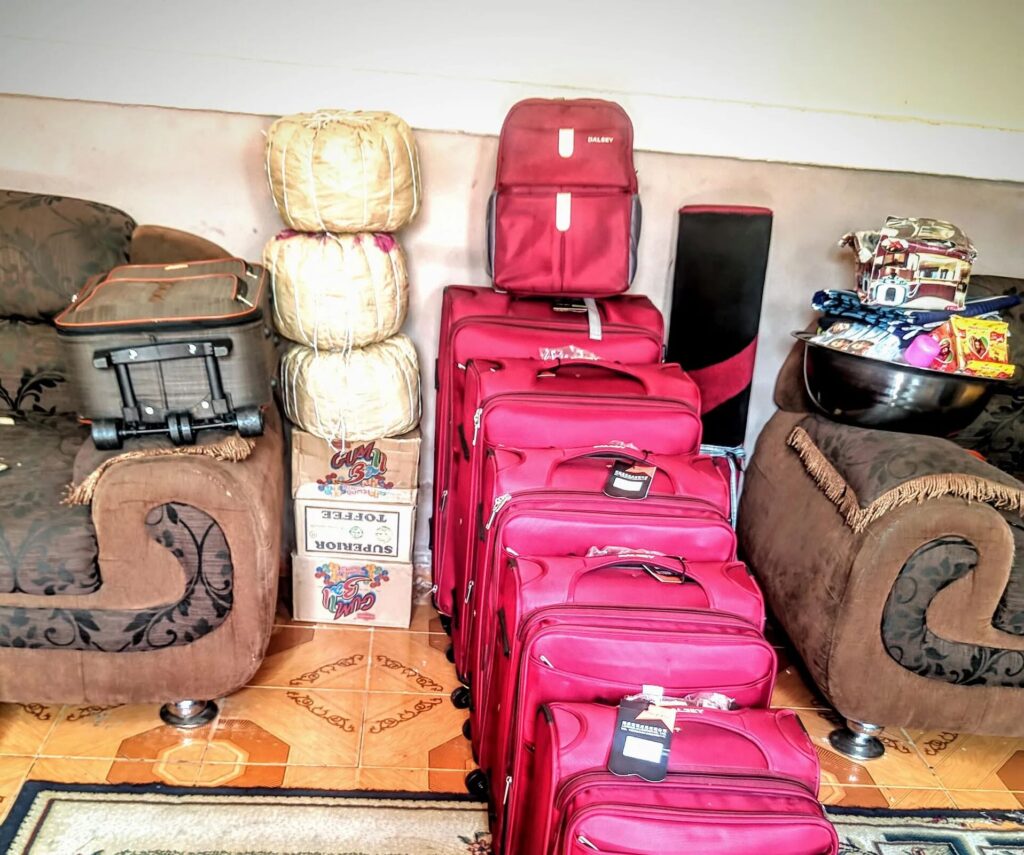
Kayan Lefe, often simply called Lefe, is one of the most recognizable gift traditions associated with Hausa weddings.
The groom’s female relatives, especially aunts and other women in the family, may deliver the gifts to the bride’s family. The gifts are often arranged attractively and displayed for relatives and guests to see.
Common Kayan Lefe items
The contents vary, but may include:
- New clothing
- Wrappers
- Lace
- Brocade
- Embroidered fabrics
- Designer outfits
- Shoes
- Handbags
- Jewelry
- Perfumes
- Cosmetics
- Makeup bags
- Scarves
- Veils
- Underwear
- Watches
- Household items
- Electronics
- Other personal gifts
In some modern weddings, the gifts may also include expensive items such as refrigerators, furniture, or other household appliances.
Why are the gifts usually new?
A common cultural expectation is that the bride should receive new items as part of the marriage celebration. The gifts are intended to honor her and help prepare her for married life.
However, the number and value of gifts should depend on what the families can reasonably afford. The tradition should not become a source of unnecessary debt or pressure.
8. Fatiha: The Islamic Marriage Ceremony
The Fatiha, also called Daurin Aure or Shafa Fatiha in some contexts, is the religious solemnization of the marriage.
An Imam oversees the marriage process, and representatives of the two families participate according to the relevant Islamic requirements.
The ceremony may involve:
- Confirmation of the bride and groom
- Confirmation of consent
- Declaration of the Sadaki
- Witnesses
- Religious prayers
- Advice about marriage responsibilities
- Formal completion of the marriage contract
The precise procedure may vary according to Islamic school, local custom, and the guidance of the officiating Imam.
The Fatiha is not simply a gift presentation. It is the religious and formal marriage ceremony itself.
9. Kunshi and Kamu: Bridal Preparation and Advice
Kunshi is a pre-departure bridal gathering that may resemble a bridal shower.
Women from the bride’s family and community may gather to:
- Celebrate the bride
- Offer prayers
- Give advice
- Prepare her emotionally for marriage
- Share practical knowledge about married life
- Present small gifts
This may be accompanied by Kamu, during which aunts, mothers, and older women offer guidance and well-wishes.
The focus is usually on support, advice, and the bride’s transition into her new household.
10. Kamun Amariya: “Catching” the Bride
Kamun Amariya is a playful ceremony in which the groom’s family negotiates with the bride’s friends before taking her away.
The bride’s friends may request money or gifts as part of the playful negotiation.
A related practice known as Sayan Baki may involve further negotiation with bridesmaids before the groom is allowed to speak with or meet his bride.
These activities are generally symbolic and entertaining rather than formal marriage requirements.
11. Kai Amariya: Escorting the Bride
Kai Amariya refers to escorting the bride to her husband’s home.
This stage may include:
- Prayers
- Emotional farewells
- Advice from parents and elders
- The movement of the bride’s belongings
- Family greetings
- Celebratory singing or drumming, depending on the community
In some Hausa customs, the bride’s personal belongings are carried to the groom’s home as part of the transition.
These belongings may include:
- Clothing
- Bedding
- Shoes
- Handbags
- Kitchen items
- Beauty products
- Personal accessories
- Other household necessities
12. Walima or Walimah: Wedding Reception
The Walima, also spelled Walimah, is the wedding reception or feast.
The size of the event depends on:
- The families’ financial resources
- The number of guests
- The location
- Religious preferences
- Community expectations
- The couple’s personal choices
Common reception elements include:
- Food
- Drinks
- Seating
- Decorations
- Prayers
- Family introductions
- Speeches
- Photography
- Guest hospitality
Some families may organize a large reception, while others prefer a modest gathering.
Hausa Traditional Marriage Items and Their Uses
There is no single universal Hausa marriage item list. However, the following items are commonly associated with the major stages.
1. Kola Nuts
Kola nuts may be presented during the Na Gani Ina So introduction stage.
They can symbolize:
- Respect
- Hospitality
- Goodwill
- Family connection
- Serious intentions
2. Salt
Bags of salt may be included in the opening gifts. Salt is a practical household item and may symbolize goodwill and provision.
3. Sweets and Chocolate
Sweets and chocolate are often used as light gifts during the initial family visit. They add a celebratory and welcoming touch.
4. Fabrics and Wrappers
Fabrics, wrappers, lace, and other materials are common in Kayan Zance and Kayan Lefe.
They may be used for:
- Traditional outfits
- Veils
- Head coverings
- Special occasion clothing
- Gifts for the bride’s family
5. Cosmetics and Perfumes
Cosmetics, perfumes, soaps, creams, and beauty products are often included in bridal gifts.
They may include:
- Perfume
- Body cream
- Soap
- Makeup
- Skincare products
- Hair products
- Beauty accessories
6. Shoes and Handbags
Shoes and handbags are common additions to Kayan Zance and Lefe.
They may be selected to match:
- Traditional outfits
- Wedding clothing
- Everyday use
- Special occasions
7. Jewelry
Jewelry may include:
- Gold ornaments
- Necklaces
- Bracelets
- Earrings
- Rings
- Watches
- Other accessories
The type and value depend on the family’s preferences and budget.
8. Henna
Henna, known as Lalle, is used during Sa Lalle to decorate the bride’s hands and feet.
9. Sadaki
Sadaki is the agreed dowry or bride price. It is a central part of the Islamic marriage process but is not necessarily a physical gift basket item.
10. Gift Containers and Suitcases
Kayan Lefe gifts may be arranged in:
- Suitcases
- Decorated boxes
- Gift containers
- Large baskets
- Other presentation packages
In some communities, these containers are known as Akwati. Some families may present several suitcases filled with bridal gifts.
The number of suitcases is not universal and should not be treated as a compulsory requirement for every Hausa wedding.
11. Food Items
Depending on the family and stage, gifts may include:
- Dates
- Sugar
- Fruits
- Other food provisions
Food and drinks are also important at the Walima reception.
12. Household and Furnishing Items
A commonly documented Hausa household arrangement is that the groom’s family provides the house, while the bride’s family helps furnish it.
Furnishing items may include:
- Bedding
- Mattresses
- Pillows
- Kitchen equipment
- Cooking utensils
- Curtains
- Storage items
- Bedroom accessories
- Household appliances
This arrangement varies by family and should be discussed clearly before the wedding.
What Is the Difference Between Kayan Zance and Kayan Lefe?
Although both involve gifts for the bride, they are not exactly the same.
Kayan Zance
Kayan Zance is generally associated with the engagement or formal discussion stage.
It may include:
- Fabrics
- Perfumes
- Cosmetics
- Shoes
- Jewelry
- Scarves
- Small gifts
- Some food items
Kayan Lefe
Kayan Lefe is the larger bridal gift presentation, often delivered closer to the wedding day.
It may include:
- More clothing
- Higher-value fabrics
- Shoes
- Bags
- Jewelry
- Cosmetics
- Electronics
- Household items
- Decoratively arranged gifts
The exact distinction can vary by community, but Lefe is generally considered the more elaborate gift presentation.
Hausa Traditional Marriage Items by State
The broad marriage process is shared across many Hausa communities, but some states and local communities have distinctive customs.
Kano State
Kano is often associated with Budan Kai, a post-wedding unveiling ceremony connected with Kano wedding culture.
Kano weddings may also feature:
- Kayan Zance
- Kayan Lefe
- Henna ceremonies
- Religious solemnization
- Large gift displays
- Elaborate receptions
However, a specific item list that applies to every Kano family should not be assumed.
Katsina State
Katsina has some of the more specifically documented local wedding practices.
In some communities, weddings may stretch across several days or even a week, with different activities planned for different days.
Practices associated with parts of Katsina include:
Kayan Gara
Kayan Gara refers to food items gifted to the newly married couple after the wedding.
The gifts symbolize:
- Family support
- Provision
- Community respect
- Assistance as the couple establishes a household
Turgeza or Gyaran Jiki
This is a traditional body-care or exfoliation practice involving henna, perfume, and other preparations. It may be performed by older women as part of the bride’s preparation.
Kayan Mata
Kayan Mata refers to herbal preparations traditionally associated with women’s preparation for marriage. These practices are not necessarily the same in every family and should be understood within the local cultural context.
Some unusual local customs have also been documented in parts of Katsina, but they should not be presented as requirements for every Katsina wedding.
Sokoto State
Sokoto is historically associated with the wider Sokoto region, which also included parts of present-day Katsina and Kano.
The area is documented in connection with the cultivation and use of the henna plant, especially for wedding and festival body art.
However, the use of traditional henna may be changing as modern cosmetic products become more common.
Kaduna, Zamfara, and Bauchi States
Hausa weddings in Kaduna, Zamfara, and Bauchi may follow the broader sequence of:
- Na Gani Ina So
- Gaisuwa
- Kayan Zance
- Sadaki
- Sarana
- Sa Lalle
- Kayan Lefe
- Fatiha
- Kunshi or Kamu
- Kai Amariya
- Walima
The exact items and local ceremonies vary, and there is not always enough reliable evidence to identify a separate fixed item list for each state.
A Note About the Maguzawa
Not all Hausa people are Muslim.
The Maguzawa are a Hausa-speaking group that has retained traditional non-Islamic religious practices. Their marriage customs may differ from the mainstream Islamic-rite Hausa marriage described in this article.
Some Maguzawa marriage traditions include distinctive rituals involving:
- Henna
- Gourds
- Traditional preparations
- Local religious practices
These customs should not be automatically grouped together with the Islamic marriage practices followed by most Hausa communities.
What Do Hausa Brides and Grooms Wear?
Clothing is an important part of Hausa wedding identity, although it may not always be part of the formal negotiated gift list.
The Hausa Bride: Amarya
The bride, commonly called Amarya, may wear:
- Embroidered gowns
- Wrappers
- Lace outfits
- Brocade
- Headscarves
- Veils
- Jewelry
- Henna designs
- Perfume
- Traditional accessories
Hausa bridal fashion is often associated with elegance, modesty, detailed fabrics, and graceful styling.
The Hausa Groom: Ango
The groom, commonly called Ango, may wear:
- A flowing embroidered gown
- Babbar riga
- Matching trousers
- Traditional cap
- Embroidered fabrics
- Traditional shoes
- Modest accessories
The exact style depends on the groom’s location, family, religious preferences, and personal taste.
Hausa Traditional Marriage Planning
Good Hausa traditional marriage planning requires early communication between the two families.
1. Confirm the Family’s Custom
Do not assume that every Hausa family follows the same process. Ask the bride’s family about:
- The required stages
- The expected gifts
- The Sadaki arrangement
- The date of the Fatiha
- The Lefe presentation
- The henna ceremony
- The reception
- Any local customs
2. Prepare a Clear Budget
Your budget should cover more than clothing and gifts.
Consider:
- Sadaki
- Kayan Zance
- Kayan Lefe
- Henna
- Clothing
- Jewelry
- Gift containers
- Food
- Drinks
- Venue
- Decorations
- Photography
- Transportation
- Accommodation
- Household furnishings
3. Avoid Unnecessary Financial Pressure
A wedding should not force either family into debt.
Where possible:
- Agree on realistic expectations
- Prioritize religious and family requirements
- Avoid competing with other weddings
- Discuss expensive gifts early
- Choose practical items
- Keep the number of gifts manageable
4. Create a Stage-by-Stage Checklist
A useful planning checklist may include:
- Na Gani Ina So visit
- Gaisuwa and family approval
- Kayan Zance
- Sadaki agreement
- Wedding date
- Sa Lalle
- Kayan Lefe
- Fatiha
- Kunshi or Kamu
- Kamun Amariya
- Kai Amariya
- Walima
- Bride’s household items
- Guest and transport arrangements
5. Confirm Who Is Responsible for Each Item
The families should agree on who will provide:
- The bride’s clothing
- The groom’s clothing
- Jewelry
- Henna
- Gift containers
- Food
- Drinks
- Household furnishings
- Transportation
- Venue decoration
- Photography
This helps prevent misunderstandings close to the wedding date.
Hausa Traditional Marriage Dos and Don’ts
Dos
1. Respect the Bride’s Family
Show respect to parents, elders, and family representatives. Greetings and polite conduct are important throughout the process.
2. Ask Questions Early
If you are unfamiliar with Hausa customs, ask the family what is expected rather than relying on assumptions.
3. Follow the Guidance of the Imam
The religious marriage contract should be handled with the guidance of a qualified and trusted Imam.
4. Agree on Sadaki Clearly
Both sides should understand the agreed amount, form of payment, and timing.
5. Keep Gifts Practical
Choose items that are useful and appropriate for the bride’s needs.
6. Respect Modesty Requirements
Consider the family’s expectations regarding clothing, photography, music, gender separation, and public celebrations.
7. Plan for Guests Properly
Hospitality is important. Arrange adequate food, drinks, seating, and transportation where necessary.
8. Preserve Family Privacy
Ask for permission before posting images or videos of private ceremonies online.
9. Work With Reliable Vendors
Use vendors who understand the cultural setting and can deliver items on time.
10. Allow for Regional Differences
A custom practiced in Kano may not be required in Katsina, Sokoto, or another Hausa community.
Don’ts
1. Do Not Assume There Is One Fixed Hausa Marriage List
The exact requirements vary by family, location, and religious practice.
2. Do Not Treat Every Gift as Compulsory
Kayan Zance and Lefe may be important in many families, but the contents and quantity are not identical everywhere.
3. Do Not Turn the Wedding Into a Competition
Avoid comparing the number of suitcases, the value of jewelry, or the size of the reception with another family’s wedding.
4. Do Not Ignore Religious Requirements
The Fatiha and other Islamic requirements should not be replaced by social activities or gift presentations.
5. Do Not Make Unreasonable Financial Demands
A wedding should be planned around realistic financial capacity.
6. Do Not Mock or Misrepresent Cultural Practices
If a custom is unfamiliar, ask for an explanation instead of making jokes or describing it inaccurately.
7. Do Not Assume All Hausa People Follow Islamic Marriage Customs
The Maguzawa and other Hausa-speaking communities may have different traditions.
8. Do Not Photograph Private Women-Only Events Without Permission
Henna and bridal preparation ceremonies may be private.
9. Do Not Leave Responsibilities Unclear
Confirm who is paying for gifts, food, transport, clothing, and household items.
10. Do Not Wait Until the Last Minute
Some Hausa weddings involve several stages and large gift presentations. Early planning is essential.
Modern Hausa Wedding Gift and Souvenir Ideas
Hausa weddings provide several opportunities for useful, culturally inspired gifts and souvenirs.
For couples, families, companies, and event planners looking for custom, personalized wedding and event souvenirs in bulk and wholesale quantities, African Things can provide practical gift items suitable for traditional weddings, receptions, bridal events, and family celebrations.
Custom Tote Bags
Custom tote bags can feature:
- The couple’s names
- Wedding dates
- Initials
- Hausa-inspired patterns
- Family names
- Short wedding messages
They are useful for packaging gifts or giving guests a practical souvenir.
Chat with Us or See SamplesAnkara-Infused Gift Bags
Ankara gift bags can be used for:
- Bridal gifts
- Guest souvenirs
- Welcome packs
- Family gifts
- Small wedding items
They add a colorful African-inspired touch to the event.
Ankara Apron and Oven Mitt Sets
These are practical gifts for guests who enjoy cooking or home activities. They can be customized for:
- Wedding souvenirs
- Bridal shower gifts
- Family gifts
- Event giveaways
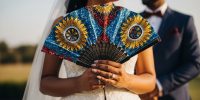
African Print Foldable Hand Fans
Foldable hand fans can be useful at warm outdoor ceremonies and receptions. They can also be branded with:
- Names
- Dates
- Wedding messages
- Event logos
Makeup and Toiletry Pouches
Makeup and toiletry pouches are useful for bridesmaids, female guests, and bridal gift packages.
They can be made with African-inspired fabrics and customized for the wedding.
Ankara Wallets for Men and Women
Ankara wallets are practical souvenirs for:
- Male guests
- Female guests
- Groomsmen
- Bridesmaids
- Family members
Keychains and Keyholders
Personalized keychains and keyholders are affordable gifts that can carry:
- Names
- Initials
- Wedding dates
- Short messages
- Company or event branding
Personalized Jotters, Notepads, and Exercise Books
These are suitable for:
- Wedding guests
- Children’s gift packs
- Family souvenirs
- Corporate-sponsored weddings
- Educational or community events
Personalized Souvenir Bags
African Things can provide different styles of souvenir bags, including:
- Drawstring bags
- Paper bags
- Carrier bags
- Tote bags
- Fabric gift bags
Ankara Waist Bags and Fanny Packs
These can be used as modern, functional souvenirs for guests who prefer practical accessories.
Personalized or Ankara Throw Pillows
Throw pillows can be customized with:
- Couple’s names
- Wedding dates
- Initials
- African-inspired designs
- Short messages
They are especially suitable for family gifts or special guests.
Branded Face Caps and T-Shirts
Custom face caps and T-shirts can be created for:
- Wedding guests
- Family groups
- Groomsmen
- Bridesmaids
- Event staff
- Corporate sponsors
For more ideas, explore African Things’ guide to unique wedding souvenir ideas .
Contact African Things on WhatsAppFrequently Asked Questions
What are the traditional marriage practices in Hausa culture?
Traditional marriage practices in Hausa culture commonly include family introduction, Gaisuwa, Kayan Zance, Sadaki, setting the wedding date, Sa Lalle, Kayan Lefe, Fatiha, bridal advice, escorting the bride, and Walima. The exact customs and order may vary between families and communities.
How do the Hausa tribes marry?
Hausa marriage is generally family-oriented and influenced by Islamic marriage rites. The groom’s family formally approaches the bride’s family, both families agree on the arrangements, Sadaki is established, and the marriage is solemnized through the Fatiha. Customs may differ depending on the family’s religious practices and community.
What are the steps in Hausa marriage?
The common stages of Hausa marriage include:
- Na Gani Ina So
- Gaisuwa
- Kayan Zance
- Sadaki
- Sarana
- Sa Lalle
- Kayan Lefe
- Fatiha
- Kunshi or Kamu
- Kamun Amariya
- Kai Amariya
- Walima
What items are used in a Hausa traditional wedding?
Common items used in a Hausa traditional wedding may include kola nuts, salt, sweets, chocolate, fabrics, wrappers, perfumes, cosmetics, shoes, handbags, jewelry, henna, Sadaki, gift containers, food items, drinks, and household furnishings. The exact items depend on the families and their agreed wedding arrangements.
Is Kayan Lefe compulsory for every Hausa wedding?
Kayan Lefe is widely associated with Hausa weddings, but its exact contents, value, and quantity are not universal. Families should agree on what is appropriate and affordable for their circumstances. The requirements may differ between families and communities.
How much is Sadaki in Hausa marriage?
There is no single amount for every Hausa wedding. Sadaki is agreed upon by the relevant parties and may depend on family expectations, religious guidance, location, and financial circumstances. The agreed amount should be confirmed with the families involved.
Do Hausa weddings last several days?
They can. Some weddings are completed relatively simply, while others include several days of activities such as Kayan Zance, henna, Lefe, Fatiha, bridal gatherings, and receptions. The length of the celebration depends on the families, location, and wedding arrangements.
What is Sa Lalle?
Sa Lalle is the henna ceremony where the bride’s hands and feet are decorated with henna, often in a women-only gathering. It is commonly associated with Hausa wedding celebrations and may include music, dancing, and other bridal festivities.
What is the difference between Kayan Zance and Lefe?
Kayan Zance is generally associated with engagement gifts, while Kayan Lefe is the larger bridal gift presentation often delivered closer to the wedding day. Both are part of the gift-giving traditions associated with Hausa marriage, although their contents and timing may vary by family.
Are all Hausa people Muslim?
No. Most Hausa people are Muslim, but groups such as the Maguzawa retain traditional non-Islamic religious practices and may have different marriage customs. Hausa communities are not religiously uniform, so wedding practices can vary according to faith and family traditions.

Related posts

Planning a Yoruba traditional wedding — or just trying to understand what actually goes into...
Planning an Igbo traditional wedding — or just curious about what actually goes into one?...

Choosing the perfect wedding anniversary gift for your wife is about finding something thoughtful, meaningful,...

If you’ve been invited to a Nigerian wedding, congratulations! You’re about to experience one of...
Are you searching for the perfect list of affordable premium wedding souvenir gift ideas in...
Add comment
You must be logged in to post a comment.