
No products in the cart.
Return To Shop

Yoruba Traditional Marriage List: A Complete Guide
Planning a Yoruba traditional wedding — or just trying to understand what actually goes into one? This guide breaks down the full Yoruba traditional marriage list (known as the Eru Iyawo, sometimes written informally as “Iru Iyawo”), item by item, so you know exactly what to expect and budget for before the big day.
Quick note before we dive in: If you’re the one planning the wedding, you’ll also need souvenirs and gift items for your guests once the ceremony is done. African Things designs and supplies custom, personalized wedding and event souvenirs in bulk — affordable, high-quality, and functional pieces your guests will actually use. We work with couples, event planners, schools, and NGOs across Nigeria.
Scroll to the “Best Souvenirs” at the end of this page, or talk to us to get a bulk quote started.
Chat with Us on WhatsAppWhat Is a Yoruba Traditional Marriage?

The Yoruba traditional marriage is called Igbeyawo, which literally means “taking a bride.” Like most traditional marriage in Nigeria customs, it isn’t a single event — it’s a sequence of visits and rites carried out by both families, guided by a professional traditional master of ceremonies called the Alaga. There are usually two: the Alaga Ijoko, who represents and speaks for the bride’s side, and the Alaga Iduro, who represents the groom’s side.
Every item presented during the ceremony carries meaning — nothing on the list is random. Each gift represents a wish or blessing for the couple: peace, fertility, wealth, sweetness, or unity. This is really the heart of the custom: the union of two entire families, not just two individuals.
One important thing to know upfront: there’s no single, government-issued “Yoruba list.” The exact items are set by the bride’s family, guided by community norms, so lists can vary slightly from family to family and from one part of Yorubaland to another. What stays consistent almost everywhere is the category of items required — and that’s what this guide focuses on.
Want to also learn about the Igbo traditional marriage items and how it’s done? Check our blog on what items are used in an Igbo traditional marriage.
What Are the Traditional Items Used for a Yoruba Marriage Ceremony?
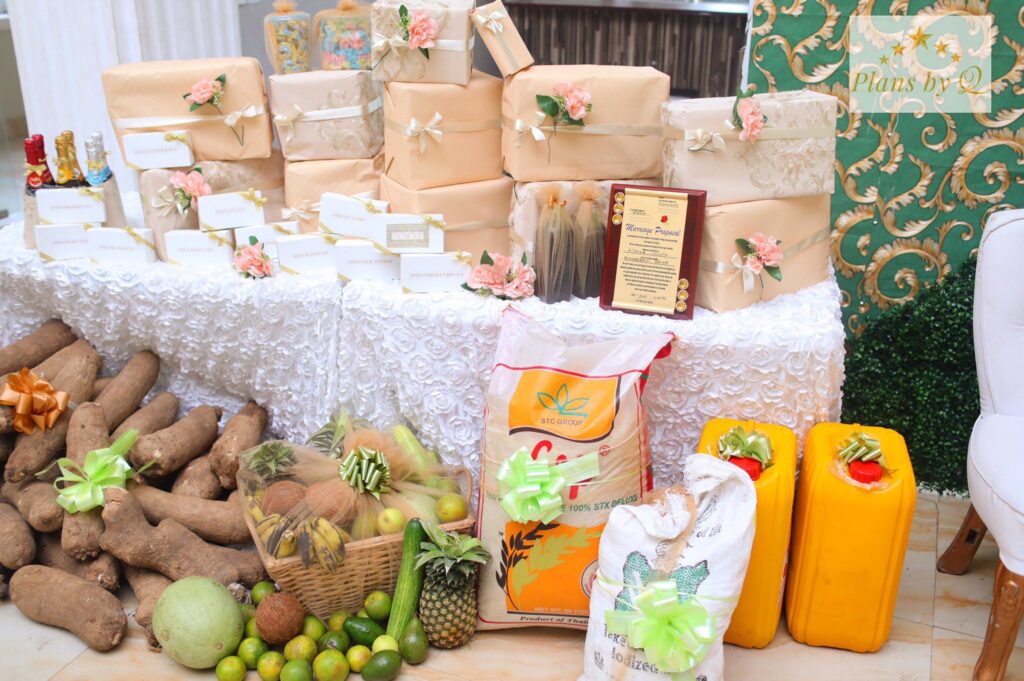
If you’re wondering what items are commonly used in Yoruba marriage ceremonies, here are the ones you’ll find on many traditional marriage lists, along with what each one symbolizes.
1. Kola Nuts (Obi)
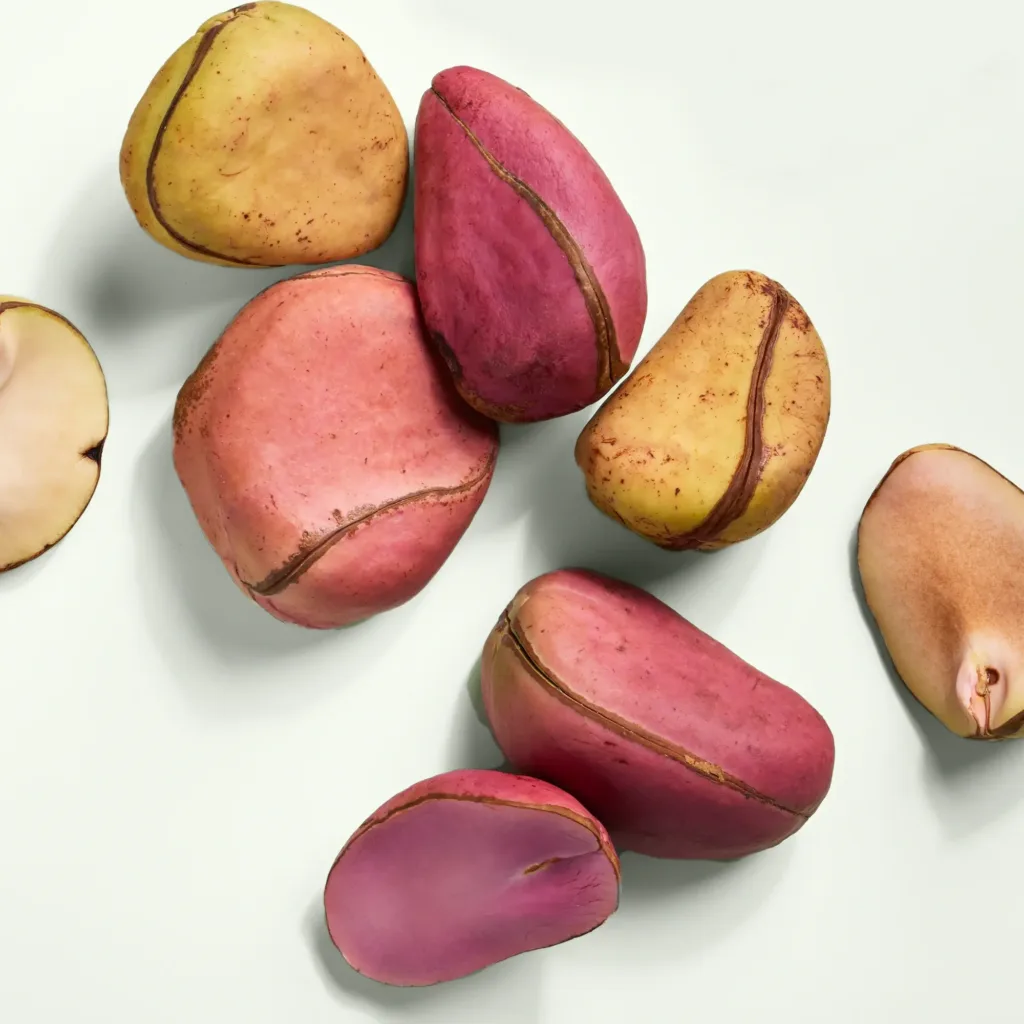
Kolanuts (Obi) stand for peace, friendship, and unity. They’re presented and discussed early in the ceremony, and breaking the kolanut is a way of saying “let’s start this union with joy.”
Kola nuts are commonly used during greetings, prayers, and blessings. Elders may pray over the kola nut and use the occasion to wish the couple a peaceful and prosperous marriage.
2. Alligator Pepper (Ataare)
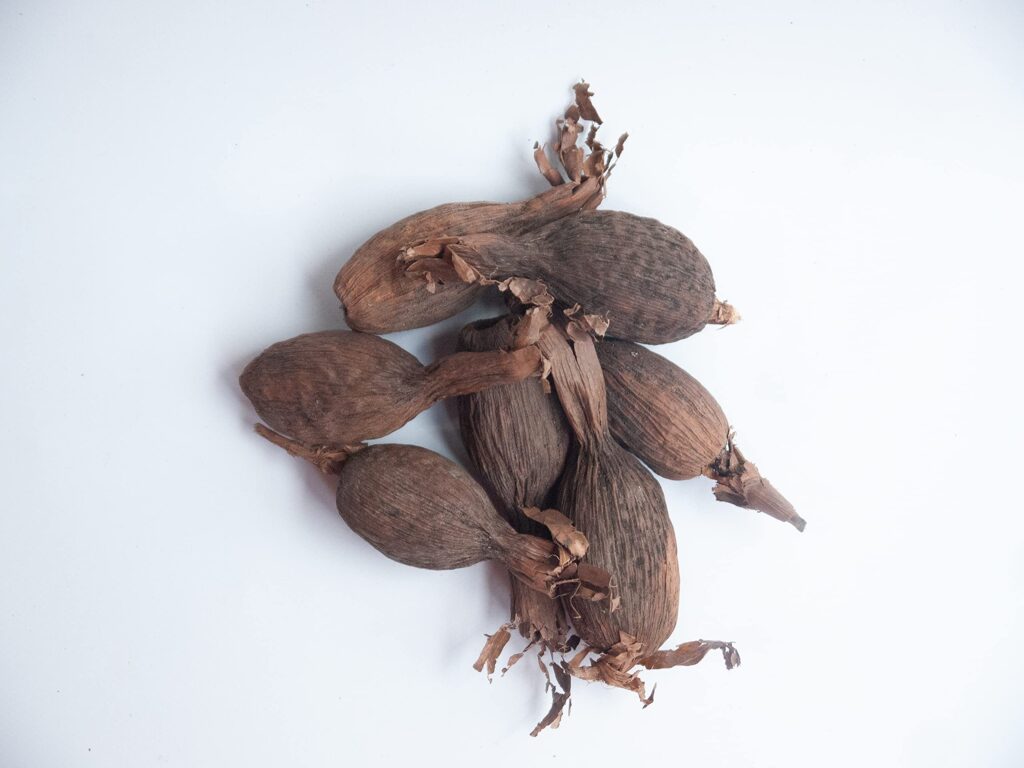
Alligator pepper (Ataare) is a small, many-seeded pod that symbolizes fertility, strength, and a lively, fruitful home.
It may be presented alongside kola nuts and other ceremonial items during the blessing and welcoming stages of the ceremony.
3. Bitter Kola (Orogbo)
Bitter kola (Orogbo) is presented alongside kola nuts and alligator pepper and is commonly associated with longevity, endurance, and good wishes for the couple’s future.
These ceremonial nuts are familiar items in many Yoruba traditional marriage ceremonies. However, the exact combination and quantity depend on the bride’s family.
4. Honey
Honey symbolizes sweetness — the hope that the couple’s love stays sweet and never turns bitter.
It may be presented in a bottle, jar, or decanter, depending on the family’s requirements. Some traditional lists also include an empty decanter as part of the honey presentation.
5. Palm Wine
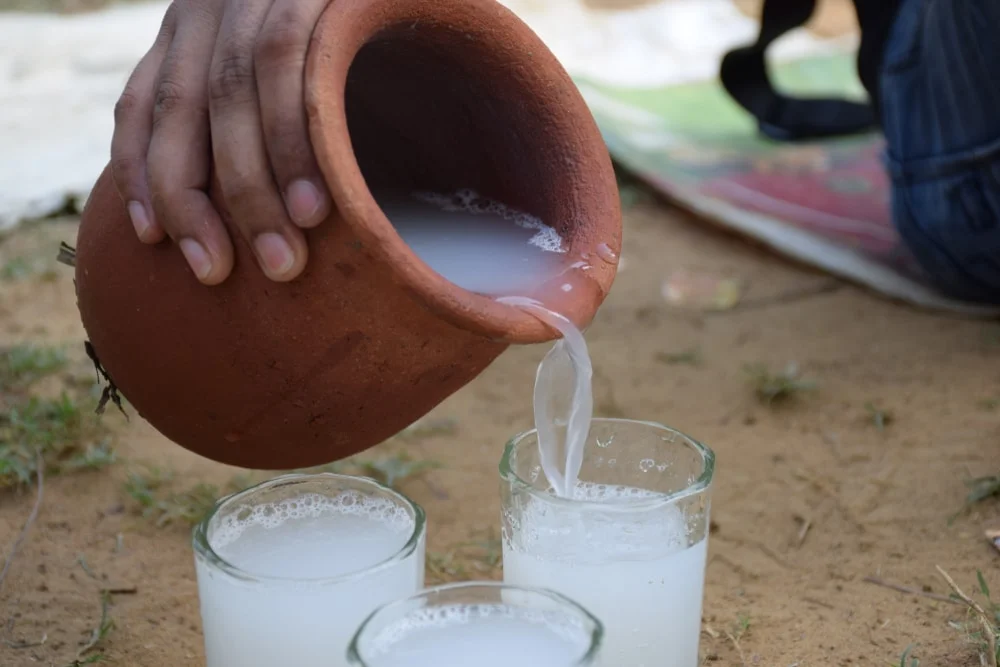
Palm wine is traditionally shared between the couple and represents openness and honesty, a wish that there will be no secrets between them.
It may also be served to family members and guests during the ceremony. Palm wine is important in many Yoruba wedding traditions, but whether it is compulsory depends on the bride’s family and local custom.
6. Salt
Salt symbolizes preservation, a hope that the marriage will “keep” and last through hard times, the way salt preserves food.
It is also a practical household ingredient that can be used in cooking and preparing food for the celebration.
7. Yam Tubers
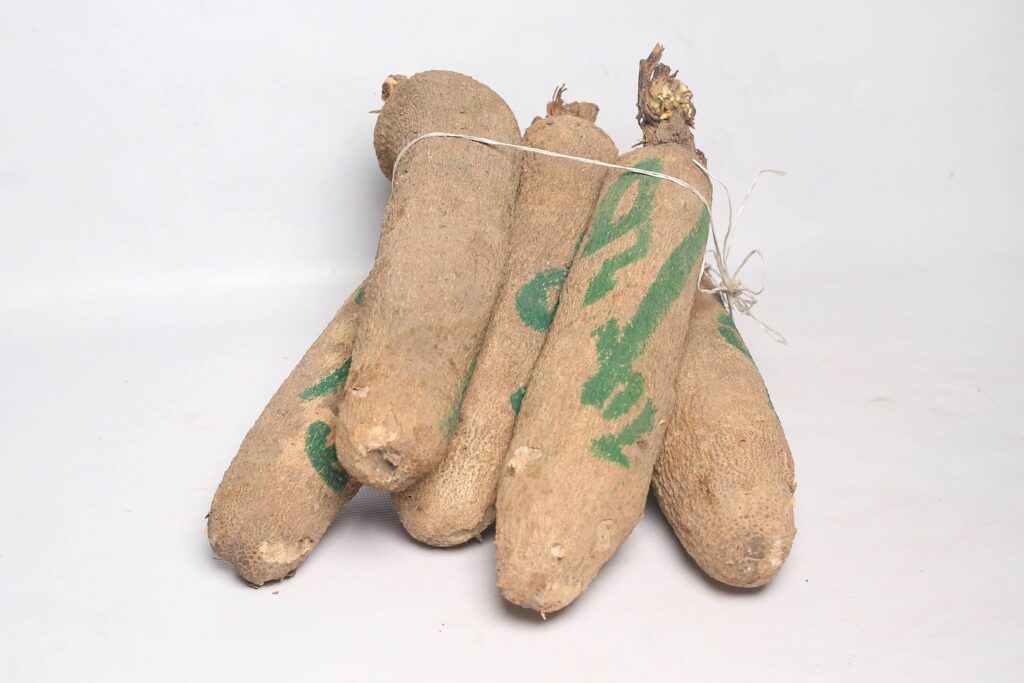
Yam tubers are a long-standing symbol of wealth, productivity, and a man’s ability to provide for his family. Traditional lists often call for a large quantity, although the number varies by community and family.
Yam may also be used in preparing food for the engagement celebration.
8. Rice, Beans, and Other Staple Foods
Rice, beans, palm oil, sugar, and fruits round out the staple foods, representing abundance and the wish that no one in the new household ever goes hungry.
Other food items may include peppered corn meal, dried fish, and vegetable oil. The bride’s family may specify particular quantities or additional ingredients.
9. Wine, Malt Drinks, Soft Drinks, and Bottled Water
Wine, malt drinks, soft drinks, and bottled water are provided both for libations, where applicable, and for guest hospitality — a nod to the celebration and unity the marriage represents.
Wine or spirits may be requested by the bride’s family, while malt drinks, juices, soft drinks, and water are commonly served to guests.
10. Bible or Qur’an
A Bible or Qur’an, depending on the family’s faith, may be included to invoke spiritual guidance and blessing over the new home.
This is where the “Iru Iyawo list for Christians” question usually comes from: Christian families may include a Bible on the list, while Muslim families may include a Qur’an. The rest of the list may remain largely similar, but religious items should reflect the family’s beliefs and preferences.
A Bible or Qur’an is not automatically compulsory for every Yoruba wedding.
11. Aso-Oke, Lace, and Ankara Fabric
Aso-oke, lace, and Ankara fabric — often several sets — are given to the bride and senior female relatives as a sign of honor.
Aso-oke is a traditional Yoruba handwoven fabric often used for special occasions. Lace and Ankara may be used to sew the bride’s outfits, wrappers, blouses, and other traditional clothing.
12. Suitcase of Clothing, Shoes, and Handbags
A suitcase of clothing, shoes, and handbags for the bride is a very common modern addition to many Yoruba traditional marriage lists.
The suitcase may contain clothing, shoes, handbags, and other personal items for the bride. It is a practical gift that supports her transition into married life.
13. Umbrella
An umbrella is a frequently cited Yoruba marriage list item, symbolizing protection over the bride in her marriage.
It is also a practical gift that can be used after the wedding. Its inclusion depends on the bride’s family and local custom.
14. Isa Asun (Food Pot)
The isa asun is traditionally described as a clay food pot. It may appear on some Yoruba marriage lists as a household item representing nourishment and provision for the new home.
Its inclusion and exact form may vary by family.
15. Amu (Water Pot)
The amu is a traditional water pot. It may symbolize water, purity, and the practical needs of a household.
Some families include the amu alongside the isa asun, while others may not request traditional pots.
16. Coral Beads, Gold Jewelry, and Engagement Ring
Coral beads, gold jewelry, and an engagement ring (a more modern addition) round out the adornments, symbolizing wealth, status, and commitment.
Coral beads and gold jewelry are commonly associated with Yoruba bridal dressing. Engagement rings are increasingly popular among modern couples, but they are not a universal traditional requirement.
A wristwatch and additional jewelry sets may also be included in more elaborate lists.
17. Owo Ori (Bride Price)
And of course, the Owo Ori — the bride price — is commonly included as part of the traditional marriage process.
It is a modest, symbolic cash sum meant to honor the bride’s upbringing, not to “buy” her. The amount and how it is handled depend on the bride’s family and local custom.
Smaller cash amounts may also be distributed throughout the ceremony, usually managed by the Alaga Ijoko.
The Eru Iyawo List: Items Needed for a Traditional Yoruba Wedding
Here’s the practical answer to “what are the items needed for a traditional Yoruba wedding” — the full Eru Iyawo list, grouped by category.
Remember that this is a general guide. The actual list is determined by the bride’s family.
1. Ceremonial and Symbolic Items
Ceremonial and symbolic items include kola nuts, alligator pepper, bitter kola, honey (often in a decanter, sometimes with an empty decanter included as part of the set), and palm oil.
Kola nuts, alligator pepper, and bitter kola are commonly associated with greetings, prayers, blessings, and family unity.
2. Staple Foods
Staple foods cover tubers of yam, bags of rice, beans, palm or vegetable oil, a bag of sugar, a bag of salt, and fruits — sometimes with peppered corn meal and dried fish added to the mix.
These items represent abundance and provision for the new household. They may also be used in preparing food for the wedding celebration.
3. Drinks and Beverages
Drinks and beverages include palm wine, bottled wine or spirits (schnapps is common), malt drinks, soft drinks, fruit juices, and bottled water.
The exact drinks requested depend on the bride’s family, religion, and local custom.
4. Clothing and Fabric
Clothing and fabric typically means aso-oke, lace fabric (often paired with a gele/head tie), and Ankara fabric, plus a full suitcase of clothes, shoes, and handbags for the bride.
These gifts help provide the bride with traditional outfits and accessories for the wedding and married life.
5. Jewelry and Accessories
Jewelry and accessories usually include coral beads, gold jewelry, and — for more modern couples — an engagement ring and a wristwatch.
The exact items and quantities vary by family.
6. Ritual Pots
Ritual pots — the isa asun (food pot) and amu (water pot) — appear on many traditional lists as symbols of nourishment and purity.
They are not universal requirements for every Yoruba wedding.
7. The Faith Item
The faith item is a Bible or Qur’an, matched to the family’s religion.
Christian families may request a Bible, while Muslim families may request a Qur’an. Some families may not include a religious book on the list.
8. Other Common Gifts
Other common gifts include an umbrella, baskets of sugar and dry fish for cooking, and increasingly, modern extras like perfume, designer accessories, wristwatches, or cash envelopes layered on top of the traditional items.
Some families may also request phones, tablets, or other practical personal gifts.
Items That Are Compulsory in Yoruba Traditional Weddings
Not every item on a Yoruba engagement list carries equal weight. If you’re short on budget or time, it is important to know which items your bride’s family considers essential.
However, there is no single universal list of items that is compulsory across all Yoruba communities. The bride’s family determines the requirements, and the list may vary by family, subgroup, religion, and local custom.
Kolanuts, alligator pepper, and bitter kola are commonly encountered ceremonial items used for opening prayers and blessings. Palm wine is important in many Yoruba ceremonies, but it is not universally compulsory. The bride price (Owo Ori) is a customary part of many traditional marriage processes, while its amount and handling depend on the family.
A religious text may be requested by Christian or Muslim families, but it is not automatically required in every Yoruba wedding.
Everything else — the suitcase, the umbrella, the specific quantities of yam or fabric, and additional jewelry — depends on what the two families agree on in advance.
The safest approach is to obtain the bride’s family’s actual list and confirm which items are compulsory, negotiable, or replaceable.
What You Need to Marry a Yoruba Girl
Beyond the physical items, there are a few things worth knowing if you’re preparing to marry into a Yoruba family.
1. Meet the Bride’s Family
The traditional marriage process is family-centered. The groom’s family usually visits the bride’s family for introductions, discussions, and preparations.
2. Obtain the Eru Iyawo List
The bride’s family typically provides the list of required gifts and items. This is the most important document to obtain before shopping.
3. Confirm the Requirements
Expect the engagement to involve discussion and negotiation, not simply a fixed invoice. Confirm the quantities, preferred brands, acceptable substitutes, and cash requirements.
4. Budget for the Ceremony
Budget for the marriage list, outfits, food, drinks, venue, transportation, photography, and other wedding expenses.
Also budget for the “spraying” of cash that happens throughout the ceremony, usually coordinated by the Alaga.
5. Show Respect to the Bride’s Family
The groom is expected to show respect through gestures as much as gifts. Prostration before the bride’s family is a standard part of many Yoruba ceremonies, though the exact format varies.
6. Work With the Alaga
The Alaga helps coordinate the traditional ceremony, guides the families through the proceedings, and manages the exchanges and customary activities.
7. Understand the Bride’s Background
Yoruba communities are diverse. It helps to know the bride’s family background, community, religion, and local traditions, since some regions place more weight on certain parts of the list than others.
How the List Varies by State
The core Eru Iyawo items above are shared across virtually every Yoruba community, but here’s how things are commonly described in specific states.
These state-level differences should be understood as commonly cited tendencies rather than fixed rules. Yoruba cultural subgroups do not always map neatly onto state boundaries, and the bride’s family remains the final authority on the list.
Lagos State Yoruba Traditional Marriage List
In Lagos State, the list follows the standard pattern closely, with modern additions — designer accessories, a bigger cash “spray,” extra jewelry — more commonly layered on top, reflecting the city’s cosmopolitan wedding culture.
Common items may include kola nuts, alligator pepper, bitter kola, honey, palm wine, foodstuffs, drinks, fabrics, shoes, handbags, jewelry, and personal items for the bride.
Lagos includes several Yoruba communities, including Awori communities, so the exact list depends on the bride’s family.
Ogun State Yoruba Traditional Marriage List
In Ogun State, home to both Ijebu and Egba communities, the list is largely identical to the general pattern.
Ijebu families are often described as placing extra emphasis on jewelry and fabric quantities, while Egba tradition is associated with a longer, more elaborate kolanut and Alaga exchange sequence.
These descriptions are local tendencies rather than universal requirements. The bride’s family determines the actual list.
Oyo State Yoruba Traditional Marriage List
In Oyo State (including Ibadan), the items themselves match the general list, but the ceremony is often noted for a more elaborate prostration sequence.
The groom’s side may show respect through multiple rounds of prostration before the bride’s family.
Common marriage items include kola nuts, alligator pepper, bitter kola, honey, palm wine, foodstuffs, drinks, fabrics, jewelry, and gifts for the bride.
Osun State Yoruba Traditional Marriage List
In Osun State (Ile-Ife, Osogbo), the list mirrors the standard pattern — kolanuts, staple foods, drinks, fabrics, jewelry, the ritual pots, and a religious text.
Specific, well-documented item-list differences for Osun were not established in the research. It is therefore best to use the general Eru Iyawo framework rather than inventing distinguishing requirements.
Ondo State Yoruba Traditional Marriage List
In Ondo State (Akure, Owo), the core items are the same, and the prayer recited over the kolanut is often described as longer and more detailed, sometimes including specific references to family lineage.
Common items may include ceremonial nuts, honey, palm wine, foodstuffs, drinks, fabrics, jewelry, and personal gifts.
The exact list depends on the bride’s family.
Ekiti State Yoruba Traditional Marriage List
In Ekiti State, the list again follows the general pattern, with palm wine frequently described as an important traditional item.
Some accounts describe palm wine as a strictly non-negotiable item in Ekiti tradition. However, whether a substitute is accepted depends on the bride’s family and local custom.
The general list may include kola nuts, alligator pepper, bitter kola, honey, palm wine, foodstuffs, drinks, clothing materials, jewelry, and gifts for the bride.
If you’re planning a wedding, it’s always worth confirming directly with your in-laws’ family rather than relying on general state trends.
What the Bride and Groom Wear
Beyond the negotiated list, ceremonial attire is a huge part of what makes a Yoruba wedding visually unforgettable.
The Bride’s Traditional Wedding Outfit
The bride typically wears an iro (wrapper) and buba (blouse) — usually in aso-oke, lace, or a matching Ankara set — paired with a gele, the elaborately tied head wrap that’s become one of the most recognizable symbols of Yoruba bridal style.
Coral or gold jewelry and, sometimes, a decorative hand fan complete the look.
The bride may also wear matching shoes, a handbag, and other accessories.
The Groom’s Traditional Wedding Outfit
The groom typically wears an Agbada, a flowing robe worn over a buba and trousers. He may also wear a Fila, the traditional Yoruba cap.
Coral beads, a chain, a wristwatch, or a walking stick may be used to complete his appearance.
Best Souvenirs for a Nigerian Wedding: Bulk Gift Ideas Guests Will Love
Once the traditional marriage items are sorted, many couples and event planners begin thinking about wedding souvenirs.
The best souvenirs for a Nigerian wedding should be attractive, useful, affordable, and memorable. Functional gifts are especially valuable because guests can continue using them long after the ceremony.
At African Things, we offer custom, personalized wedding and event souvenirs in bulk and wholesale quantities. Our products are suitable for traditional weddings, church weddings, bridal showers, engagements, corporate events, and other celebrations.
Whether you need affordable and high-quality souvenirs for a small wedding or bulk picks for a large guest list, we can help you choose functional gifts that guests will love.
1. Custom Tote Bags
Custom tote bags are practical souvenirs that guests can use for shopping, work, school, and everyday activities.
They can be customized with names, wedding dates, photographs, messages, logos, or other designs. They are suitable for both traditional and modern Nigerian weddings. Check out our bulk custom tote bags options.
Chat with Us or See Samples2. Ankara-Infused Gift Bags
Ankara-infused gift bags combine traditional African print with modern presentation.
They are suitable for wedding favors, gift packaging, and special keepsakes. Their colorful patterns make them a popular choice for couples looking for good Nigerian wedding souvenirs.
3. Ankara Apron and Oven Mitt Sets
Ankara apron and oven mitt sets are useful kitchen gifts for guests who enjoy cooking.
They are especially suitable for traditional weddings where practical household gifts are appreciated. The African print design adds a cultural touch to the gift.
4. African Print Foldable Hand Fans
African print foldable hand fans are useful for Nigerian weddings, especially during outdoor ceremonies and warm-weather celebrations.
They are lightweight, practical, and easy for guests to carry. They can also be customized to match the wedding theme.
5. Makeup and Toiletry Pouches
Personalized makeup bags and toiletry pouches are functional gifts that guests can use for cosmetics, travel essentials, and everyday accessories.
They are suitable for bridal showers, weddings, and other celebrations.
6. Ankara Wallets for Men and Women
Ankara wallets are stylish and practical souvenirs suitable for both male and female guests.
They offer a useful alternative to purely decorative wedding favors and can be made in different African print designs.
7. Keychains and Keyholders
Custom keychains and keyholders are affordable souvenirs that can be personalized with names, initials, wedding dates, or other designs.
They are small, useful, and easy to distribute to guests.
8. Personalized Jotters, Notepads, and Exercise Books
Personalized jotters, notepads, and exercise books are useful gifts for guests, students, professionals, and event attendees.
They can be branded with the couple’s names, wedding date, or a special message. They are suitable for weddings, conferences, and corporate events.
9. Personalized Souvenir Bags
Personalized souvenir bags include drawstring bags, paper bags, carrier bags, and tote bags.
These bags can be customized to match the wedding theme and are useful for packaging other gifts or distributing souvenirs to guests.
Chat with Us or See Samples10. Ankara Waist Bags and Fanny Packs
Ankara waist bags, also called fanny packs, are practical accessories that guests can use for carrying phones, wallets, keys, and other small essentials.
They are useful for outdoor weddings, parties, and other celebrations.
11. Personalized or Ankara Throw Pillows
Personalized or Ankara throw pillows make thoughtful home gifts.
Personalized designs can feature names, dates, messages, or African-inspired patterns. They are suitable for guests who appreciate functional home accessories.
12. Branded Face Caps and T-Shirts
Branded face caps and T-shirts are suitable for matching family outfits, wedding guests, bridal parties, and event souvenirs.
They can be customized with names, wedding dates, photographs, logos, or other designs.
If you’re looking for more inspiration, read our guide to unique wedding souvenir ideas.
You can also explore African-inspired gift items and personalized products for weddings, birthdays, corporate events, and other occasions.
Planning Your Wedding Souvenirs?
African Things offers custom and personalized wedding and event gift items in bulk and wholesale quantities.
We work with couples, event planners, schools, NGOs, and organizations across Nigeria.
Whether you need custom tote bags, Ankara gift bags, personalized jotters, pouches, wallets, hand fans, T-shirts, or other practical souvenirs, we can help you find suitable options for your event.
Chat with African Things on WhatsApp to discuss your requirements, request a bulk quote or see samples.
Contact African Things on WhatsAppFrequently Asked Questions About Yoruba Traditional Marriage Items
What are the traditional items needed for a Yoruba marriage?
Common items include kola nuts, alligator pepper, bitter kola, honey, palm wine, yam, rice, sugar, salt, drinks, fabrics, shoes, handbags, jewelry, and other gifts requested by the bride’s family. The exact list varies by family and community, so it’s always worth confirming directly with your in-laws-to-be.
What items are commonly used in Yoruba marriage ceremonies?
Kolanuts, alligator pepper, bitter kola, palm wine, yam, rice, aso-oke fabric, coral beads, a Bible or Qur’an, and the bride price appear in nearly every Yoruba marriage ceremony, regardless of state. What varies is the quantity and a handful of family- or region-specific additions.
What are the compulsory items in Yoruba traditional weddings?
There is no single compulsory list that applies to every Yoruba wedding — the bride’s family determines the requirements. That said, kola nuts, alligator pepper, bitter kola, honey, foodstuffs, drinks, and the symbolic bride price are commonly encountered on most lists, even though not every family requires every item.
Is palm wine compulsory in a Yoruba traditional wedding?
Palm wine is an important traditional drink in many Yoruba ceremonies. However, whether it’s strictly compulsory depends on the bride’s family and local custom — some families may accept a substitute.
Is a Bible compulsory in a Yoruba traditional marriage for Christians?
No. A Bible may be included for Christian families, but it’s not a universal requirement for every Yoruba traditional wedding. The bride’s family determines the final list, so it’s worth confirming whether they’d like it included.
What is the bride price in Yoruba marriage?
The bride price is called Owo Ori. It’s a symbolic cash payment made to the bride’s family as part of the marriage process — meant to honor her upbringing rather than “buy” her. The amount and how it’s handled depend on the family’s custom.
What is the Yoruba traditional marriage list called?
The traditional marriage gift list is commonly called Eru Iyawo. Some people also search for it as the “Iru Iyawo list” for Yoruba wedding — both terms refer to the same thing.
What is an Iru Iyawo (Eru Iyawo) list for a Yoruba wedding?
An Iru Iyawo (or Eru Iyawo) list refers to the items requested by the bride’s family and presented by the groom’s family during the Yoruba traditional marriage process. Both terms are commonly used to describe the same marriage gift list.
Is the Eru Iyawo (Iru Iyawo) list different for Christians?
Not significantly. The list stays largely the same regardless of faith — the main difference is the religious text included: Christian families may add a Bible, while Muslim families may substitute a Qur’an. Every other item (kolanuts, food, drinks, fabric, jewelry, bride price) is shared across both.
What do you need to marry a Yoruba girl?
Beyond the items on the Eru Iyawo list, you’ll need to be ready to negotiate respectfully with the bride’s family, budget for cash “spraying” during the ceremony (usually coordinated by the Alaga), and show respect through gesture — prostration before the bride’s family is a standard part of the ceremony in most Yoruba communities.
How can I know the exact items needed for a Yoruba wedding?
Ask the bride’s family for their official Eru Iyawo list. Confirm the required quantities, cash payments, preferred brands, and any items that can be substituted before you start purchasing the gifts.
What are the items needed for traditional marriage?
The items needed depend on the culture and family involved. For a Yoruba traditional marriage, the Eru Iyawo commonly includes ceremonial nuts, foodstuffs, drinks, fabrics, jewelry, and personal items for the bride. Other Nigerian ethnic groups have their own equivalent lists and customs.
What are the items used in traditional marriage in Nigeria?
Items used in traditional marriage in Nigeria differ across ethnic groups. Yoruba weddings commonly feature the Eru Iyawo, while Igbo and other Nigerian cultures have their own marriage lists and customs — though most share the same underlying idea of families exchanging meaningful gifts to formalize a union.
What items are commonly used in marriage ceremonies?
Common marriage ceremony items in Nigeria include food, drinks, fabrics, jewelry, gifts, ceremonial objects, and items used for prayers or blessings. The specific items depend on the ethnic group and family customs involved.
What are some common objects used in marriage ceremonies?
Common objects include rings, jewelry, fabrics, gift baskets, ceremonial nuts, drinks, religious books, and household items. In Yoruba traditional weddings specifically, kola nuts, alligator pepper, bitter kola, honey, and palm wine are frequently associated with the ceremony.
Where can I buy Nigerian wedding souvenirs in bulk?
African Things offers custom and personalized wedding souvenirs and gift items in bulk and wholesale quantities. Options include tote bags, Ankara gift bags, wallets, pouches, jotters, keychains, hand fans, T-shirts, and other practical souvenirs. Contact African Things on WhatsApp to discuss your wedding souvenir requirements.


Related posts

Planning a Hausa wedding or trying to understand traditional marriage in Hausa culture? Hausa marriage...

Planning an Igbo traditional wedding — or just curious about what actually goes into one?...

Choosing the perfect wedding anniversary gift for your wife is about finding something thoughtful, meaningful,...

If you’ve been invited to a Nigerian wedding, congratulations! You’re about to experience one of...

Are you searching for the perfect list of affordable premium wedding souvenir gift ideas in...
Add comment
You must be logged in to post a comment.